
Cold Chain Packaging for Trigger Point Injection Medications

Temperature-controlled packaging for trigger point injection programs handling botulinum toxin products, extended-release corticosteroids, compounded sterile preparations, and buffered local anesthetics. Nordic Cold Chain Solutions helps compounding pharmacies, specialty pharmacies, and pain management providers protect medication integrity from packout through delivery.

Market Context

Trigger point injection workflows are rarely treated as a distinct cold chain category, yet the medications used in these programs can carry tight storage parameters, short post-preparation use windows, and handling requirements that leave little room for transit variability. Trigger point injections may involve local anesthetics, corticosteroids, botulinum toxin products, or other injectates depending on the protocol, which means shipping strategy has to account for more than one medication profile across the same service line.

In practice, that creates a more complex distribution environment than many pain management programs anticipate. A reconstituted botulinum toxin product may require refrigerated handling and use within a 24-hour window, while an extended-release corticosteroid kit may remain refrigerated to preserve labeled storage conditions but allow only a limited fallback period at controlled room temperature if refrigeration is unavailable. Compounded sterile preparations add another layer because beyond-use dating is tied not only to the formula itself, but also to how the preparation was compounded, sterilized, tested, stored, and ultimately shipped.

This is why trigger point injection cold chain packaging should be designed around the product, the lane, and the receiving workflow together. A shipment that reaches its destination on time can still create risk if the packaging was not qualified for the true transit profile, the clinic cannot receive within the usable window, or the formulation’s refrigerated stability differs materially from its room-temperature tolerance. Published stability work on buffered lidocaine illustrates this clearly: composition matters, and the addition of epinephrine can shorten the acceptable storage window substantially compared with buffered lidocaine alone.

Cold Chain Requirements

Most long-term care pharmacy cold chain distribution centers on 2–8°C refrigerated medications delivered across multi-stop routes. Packaging selection must account for extended route duration, repeated door openings, and variable facility receiving practices, while remaining practical for drivers and cost-effective for recurring delivery programs.

Product-specific temperature control comes first

Trigger point injection programs often handle a mix of manufacturer-labeled products and compounded sterile medications. That means there is no single universal shipping rule. Packaging decisions should be based on the exact storage condition, post-reconstitution limit, beyond-use date, delivery lane, and site-of-care workflow associated with each product.

Botulinum toxin products require disciplined refrigerated handling

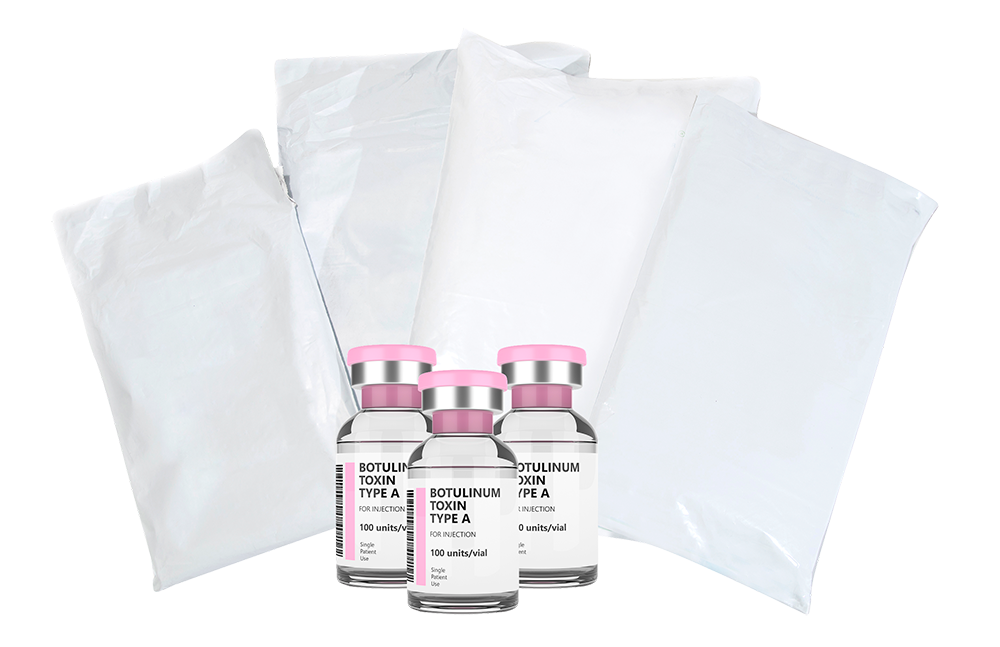
Botulinum toxin products used in pain management settings can place real pressure on receiving and scheduling workflows because their post-reconstitution handling windows are short. Current published labeling for BOTOX and DYSPORT calls for refrigerated storage at 2 to 8°C after reconstitution and use within 24 hours. For pharmacies and clinics, that makes packout consistency, delivery timing, and coordinated handoff especially important.

Extended-release corticosteroids need packaging that supports labeled storage

Extended-release injectable corticosteroids can introduce a different kind of cold chain challenge. Current ZILRETTA handling guidance calls for refrigeration at 2 to 8°C to maintain expiry, with the sealed unopened kit allowed at temperatures not exceeding 25°C for up to 3 weeks if refrigeration is unavailable. That room-temperature fallback does not remove the need for refrigerated planning. It simply reinforces the importance of packaging that reflects actual lane risk, site storage practices, and inventory turnover.

Compounded sterile preparations require alignment between packaging and beyond-use dating

For 503A and 503B operations distributing sterile trigger point injection formulations, the shipping carton has to support the assigned beyond-use strategy rather than sit outside it. Under revised USP frameworks, refrigerated beyond-use dates vary widely depending on whether the CSP is aseptically processed or terminally sterilized, whether sterility testing is performed and passed, and whether the product falls into Category 2 or Category 3. In other words, shipping conditions should be considered part of the product protection plan, not an afterthought after compounding is complete.

Buffered lidocaine formulations can have materially different stability profiles

Buffered local anesthetic formulations deserve special attention because the stability profile can shift based on the exact admixture. Published studies found buffered lidocaine without epinephrine remained stable for longer refrigerated periods, while buffered lidocaine with epinephrine showed a shorter useful window driven largely by epinephrine degradation. Additional data also show that room-temperature exposure, especially with light, can accelerate degradation in bicarbonated lidocaine-adrenaline mixtures. For pharmacies shipping compounded anesthetic preparations, that makes formulation-specific validation especially important.

Nordic Packaging Solutions for Trigger Point Injection Medications

Nordic supports LTC distribution with insulated packaging configurations designed for reliable performance, along with guidance to help standardize pack-outs across routes, facilities, and recurring delivery schedules.

Qualified packaging for refrigerated trigger point injection lanes

Nordic Cold Chain Solutions helps pharmacies and healthcare distributors build packaging systems for refrigerated injectable therapies that need dependable temperature protection during parcel transit. For trigger point injection programs, that means designing around actual lane duration, seasonality, delivery timing, and the receiving capabilities of the clinic or site of care.

Insulated shippers paired with conditioned gel pack configurations

Nordic’s insulated packaging solutions can be configured with properly conditioned refrigerants to support 2 to 8°C shipping goals for temperature-sensitive injectables. Nordic Ice® Regular Gel Packs provide a dependable foundation for packouts that need repeatable thermal performance, while pack size, gel quantity, and arrangement can be tailored to shipment duration and payload profile.

Support for compounding pharmacies and specialty distribution workflows

Whether the shipment is moving from a 503A pharmacy to a specific patient care location, from a 503B outsourcing facility to a clinic network, or through a specialty pharmacy channel, Nordic helps align packaging strategy with operational reality. That includes support for recurring shipments, variable order volume, mixed medication profiles, and validation-minded cold chain programs.

A practical approach to validation-focused cold chain planning

Trigger point injection shipping does not need to be overbuilt, but it does need to be intentional. Nordic works with customers to identify the packaging profile that best fits the medication, transit lane, and handling expectations so that refrigerated products arrive protected, usable, and ready for clinical workflow.

LTC Pharmacy Cold Chain FAQs

Does Botox need cold chain shipping?

When BOTOX is shipped or stored after reconstitution, the published labeling calls for refrigerated storage at 2 to 8°C and use within 24 hours. That makes controlled packaging and tight delivery coordination important for any workflow moving reconstituted product between sites.

How should trigger point injection medications be shipped?

Trigger point injection medications should be shipped according to the labeled storage condition or pharmacy-assigned beyond-use strategy for the specific product being dispensed. In practice, that usually means matching the package design to the required temperature range, transit duration, season, and receiving window rather than relying on a generic one-size-fits-all shipper.

What temperature do compounded steroid injections require?

There is no single answer for every compounded steroid injection. Storage depends on the formulation, compounding process, sterility testing status, and assigned beyond-use date. Many sterile compounded injectables are held under refrigerated conditions, but the allowable storage duration can vary substantially under USP depending on the CSP category and preparation method.

Do pain clinics need reliable cold chain packaging?

When a clinic receives temperature-sensitive injectables or compounded sterile products, fit-for-purpose packaging helps confirm that the shipment can hold the intended temperature range across the expected lane and receiving window. That becomes especially important when the medication has a short post-preparation window or a refrigerated beyond-use date that must be protected in transit.

What are the shipping requirements for ZILRETTA?

Current published handling information for ZILRETTA calls for refrigeration at 2 to 8°C to maintain expiry. If refrigeration is unavailable, the sealed unopened kit may be stored at temperatures not exceeding 25°C for up to 3 weeks and then discarded. Packaging decisions should reflect the actual storage path the product will follow before administration.

Can buffered lidocaine be shipped at room temperature?

Not as a blanket rule. Buffered lidocaine stability depends on the exact formula, container, light exposure, and whether epinephrine is included. Published studies found buffered lidocaine alone can remain stable longer under certain storage conditions, while admixtures containing epinephrine may lose acceptable stability much sooner.

Why is trigger point injection cold chain more complex than it looks?

Because the category can include multiple medication types with very different storage windows and handling instructions. A clinic may be managing reconstituted botulinum toxin, extended-release corticosteroids, and compounded sterile anesthetic formulations at the same time, each with different requirements for refrigeration, time out of range, and usability after preparation.

Protect trigger point injection medications with packaging designed for real distribution conditions.

Whether you are shipping from a compounding pharmacy, specialty pharmacy, or centralized distribution point, Nordic Cold Chain Solutions can help you build a packaging approach that supports product integrity, transit consistency, and confident delivery.
BOTOX