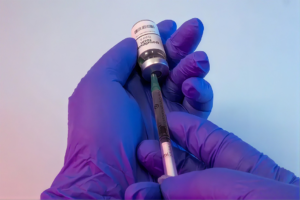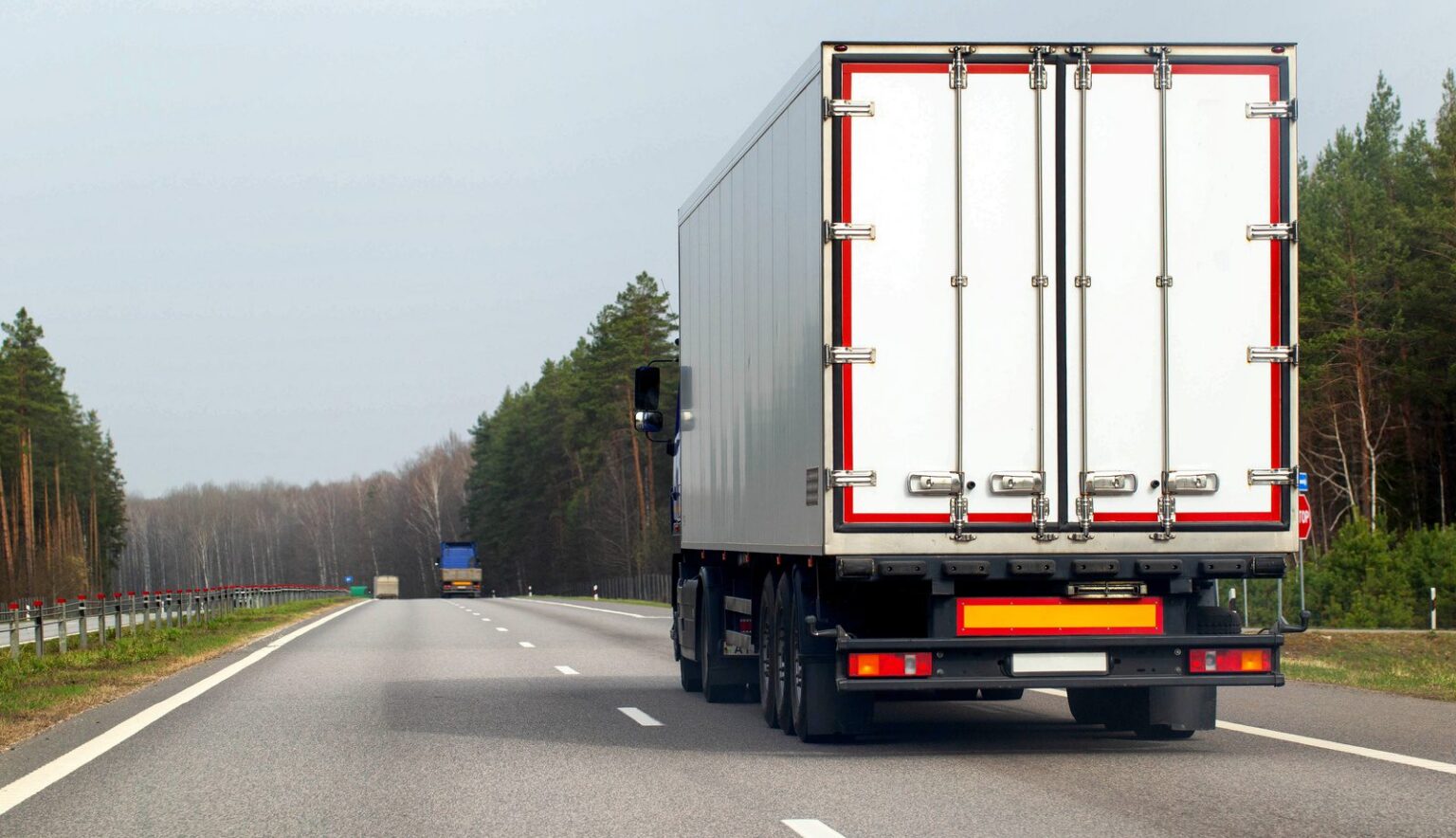
August is one of the most revealing months for GLP-1 cold chain performance. By this point in the summer, heat exposure is not occasional. It is sustained, geographically uneven, and often intensified by the realities of residential delivery. A package may move through a controlled pharmacy environment, enter a carrier network, sit in a warm vehicle, and arrive at a patient’s home during the hottest part of the day. For medications that require refrigerated handling, that journey can expose vulnerabilities that may remain hidden during milder shipping periods.
For pharmacies managing GLP-1 fulfillment, temperature loggers provide a critical layer of visibility. They do more than confirm whether one shipment stayed within range. When used thoughtfully, they can help teams understand where risk is occurring, which lanes are more vulnerable, how consistently packouts are performing, and whether seasonal adjustments are needed before failures become recurring problems.
During this time of year, that visibility becomes especially valuable. Heat is not the only concern. Patient vacations, missed deliveries, longer doorstep dwell times, regional heat waves, carrier delays, and increased refill volume can all place added pressure on the cold chain. Temperature logger data gives pharmacy teams a way to move beyond assumptions and evaluate how their packaging strategy performs under real late-summer conditions.
Late-Summer Heat Turns Every GLP-1 Shipment Into a Practical Stress Test
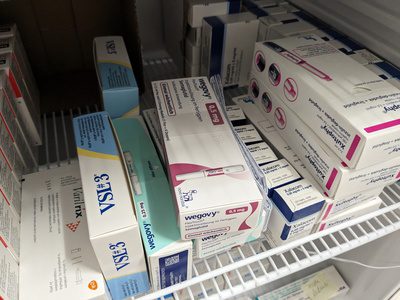
GLP-1 medications such as semaglutide and tirzepatide are commonly handled as refrigerated therapies, with pharmacy cold chain programs often designed around 2°C to 8°C performance. Maintaining that range requires more than placing the medication in an insulated container. The packaging system must be matched to the product, the lane, the shipment duration, the refrigerant profile, and the likely receiving conditions.
August complicates each of those variables. Ambient temperatures may remain high overnight in some regions, which reduces the thermal reset that can occur during cooler months. Delivery vehicles can retain heat throughout the day. Residential delivery timing may be difficult to predict. A patient may be traveling, away from home, or delayed in retrieving a package from a porch, lobby, mailroom, or parcel locker.
Late-summer shipping risk is often shaped by:
- Sustained high ambient temperatures across multiple regions
- Warm delivery vehicles during afternoon routes
- Longer doorstep, lobby, mailroom, or parcel locker dwell time
- Patient vacations or delayed package retrieval
- Carrier delays during high-volume delivery periods
- Regional heat waves that affect some lanes more than others
- Packaging configurations that were selected during milder conditions but never reassessed for late-summer exposure
These conditions make this period a useful proving ground. If a GLP-1 packaging configuration is marginal, late summer will often reveal it. A lane that performed acceptably in May may show temperature drift by the end of the season. A packout that worked for nearby deliveries may struggle across longer parcel routes. A shipment that relies on immediate patient retrieval may become vulnerable when the package sits unattended after delivery.
Temperature loggers help identify those patterns with greater clarity. Instead of only knowing that a patient reported a warm package or that a replacement was needed, pharmacy teams can review the shipment’s thermal behavior and better understand what occurred.
What Temperature Logger Data Can Actually Show
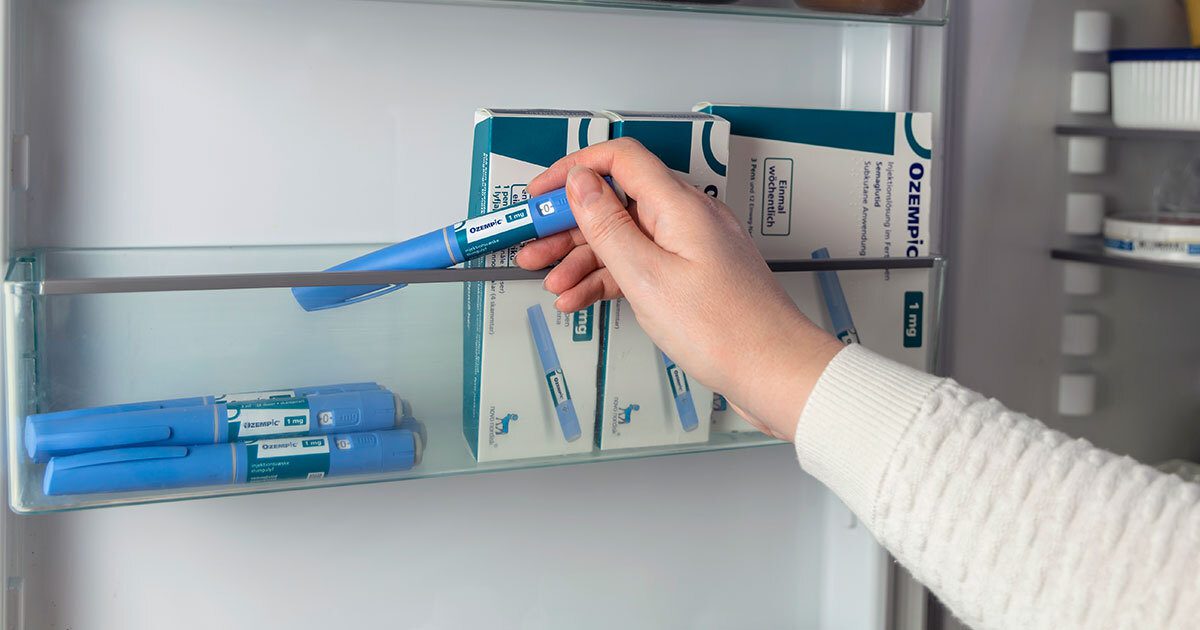
A temperature logger is not simply a proof point. It is a diagnostic tool. When placed inside a shipment, it records conditions over time, creating a shipment-level profile that can help pharmacy teams evaluate performance across different stages of distribution.
Temperature logger data can help pharmacies determine:
- Whether the shipment stayed within the intended refrigerated range
- When temperature drift began during the delivery journey
- Whether an excursion was gradual, sudden, brief, or sustained
- Whether the risk occurred during transit, carrier handling, or post-delivery dwell time
- How one lane compares with another under similar seasonal conditions
- Whether current packout procedures are being executed consistently across staff and shifts
That distinction matters. A temperature excursion is not always caused by the same issue. It may reflect inadequate refrigerant conditioning, an underbuilt packaging profile, excessive dwell time, a delayed carrier handoff, a long delivery route, or extended exposure after the package reaches the patient. Without data, these scenarios can look similar from the outside. With data, teams can begin separating packaging concerns from process concerns and lane-specific risks from one-time anomalies.
For GLP-1 programs, this level of visibility supports better decision-making. A pharmacy may learn that certain shipments remain stable for the full parcel journey but begin drifting after delivery. That points to patient communication or retrieval timing. Another pharmacy may find that longer regional lanes show temperature rise before final delivery, suggesting that a more robust insulation or refrigerant strategy may be needed. A third may discover inconsistent profiles across similar shipments, indicating a packout execution issue rather than a shipper design issue.
Monitoring Helps Validate Packaging Assumptions Before Volume Increases
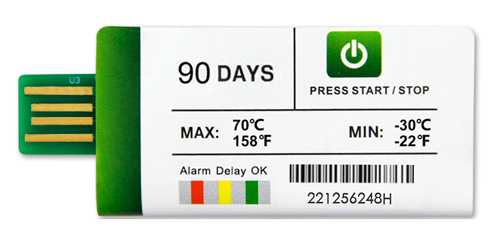
Many GLP-1 programs begin with a packaging approach that appears sufficient at early volume. A shipper is selected, gel packs are conditioned, orders are packed, and shipments move successfully enough to build confidence. But as volume increases, that confidence can become fragile if it has not been tested across a range of conditions.
High temperatures and variable delivery behavior create the kind of stress that can reveal whether a packaging system is truly repeatable. Temperature monitoring gives pharmacies a practical way to pressure-test those assumptions before shipment volume, geography, or seasonal exposure expands further.
Pharmacies can use logger data to compare performance across:
- Local, regional, and longer-distance shipping lanes
- One-day and two-day shipment profiles
- Urban, suburban, and rural delivery routes
- Standard packouts versus seasonal packout adjustments
- Different fulfillment shifts or staff teams
- Different patient retrieval patterns after delivery
- Shipments moving through high-heat regions versus more moderate climates
This is especially important for pharmacies that are scaling GLP-1 fulfillment. What works for limited weekly shipments may not hold up when order volume rises, more technicians are involved, or deliveries expand into new climate zones. Temperature loggers can help confirm whether a packout remains reliable as the operation becomes more complex.
Nordic Cold Chain Solutions supports this type of visibility-focused planning with packaging solutions, temperature monitoring options, and cold chain expertise designed for pharmacy workflows. Nordic’s GLP-1 cold chain approach accounts for insulated shippers, properly selected refrigerants, documentation, tracking capabilities, and operational support that helps pharmacies protect high-value refrigerated medications from packout through delivery.
Logger Data Can Strengthen Excursion Investigations
When a GLP-1 shipment is suspected of experiencing a temperature excursion, the response should not rely on guesswork. Pharmacy teams need to understand what happened, how long the shipment may have been outside the intended range, and whether the issue reflects a broader operational concern.
A stronger excursion review may include:
- Recorded temperature history from the logger
- Packout date, time, and assembly conditions
- Refrigerant conditioning process
- Carrier pickup and delivery timestamps
- Weather conditions along the shipment lane
- Delivery location and retrieval timing
- Similar shipment records from the same region or route
- Whether the issue appears isolated or part of a recurring pattern
Temperature loggers provide a more concrete starting point for that review. They can help teams determine whether the problem occurred gradually or suddenly, whether the exposure aligned with a known delay, and whether similar shipments on the same lane have shown comparable behavior.
This type of review supports better quality assurance. It also helps reduce the risk of overcorrecting. Without data, a pharmacy may assume the shipper failed and move to a more expensive or heavier configuration for all shipments. With logger data, the team may discover that the real issue was a specific lane, a delay at pickup, or a doorstep dwell pattern that requires different patient instructions.
Turning August Data Into Better Fall Cold Chain Planning
Temperature logger data gathered during peak heat is not only useful for summer. It can help pharmacies prepare for the next phase of GLP-1 fulfillment. As fall approaches, refill volume may shift, patient routines may change, and shipping lanes may become less heat-intensive but still operationally demanding. The insights gathered during late summer can guide more informed packaging decisions for the months ahead.
For example, temperature logger data may reveal that certain regions require seasonal packout changes through early September, while others can return to a standard configuration sooner. It may show that longer transit lanes need ongoing monitoring even after peak heat declines. It may confirm that a current packaging setup is performing well, giving teams greater confidence as volume continues.
That is the real value of monitoring. It turns isolated shipment records into operational intelligence. When pharmacies use logger data to refine packouts, compare lanes, investigate excursions, and validate assumptions, cold chain management becomes more proactive and less reactive.
Building GLP-1 Cold Chain Confidence Through Visibility
GLP-1 cold chain confidence does not come from packaging alone. It comes from knowing that the packaging, refrigerant conditioning, workflow, monitoring, and patient delivery process are working together under real late-summer conditions.
Nordic Cold Chain Solutions helps pharmacies strengthen that system with insulated packaging, gel pack solutions, temperature monitoring support, and cold chain expertise built around pharmaceutical distribution needs. A temperature logger cannot prevent heat, but it can reveal where heat becomes a risk, where packaging is performing well, and where a pharmacy’s process needs adjustment.