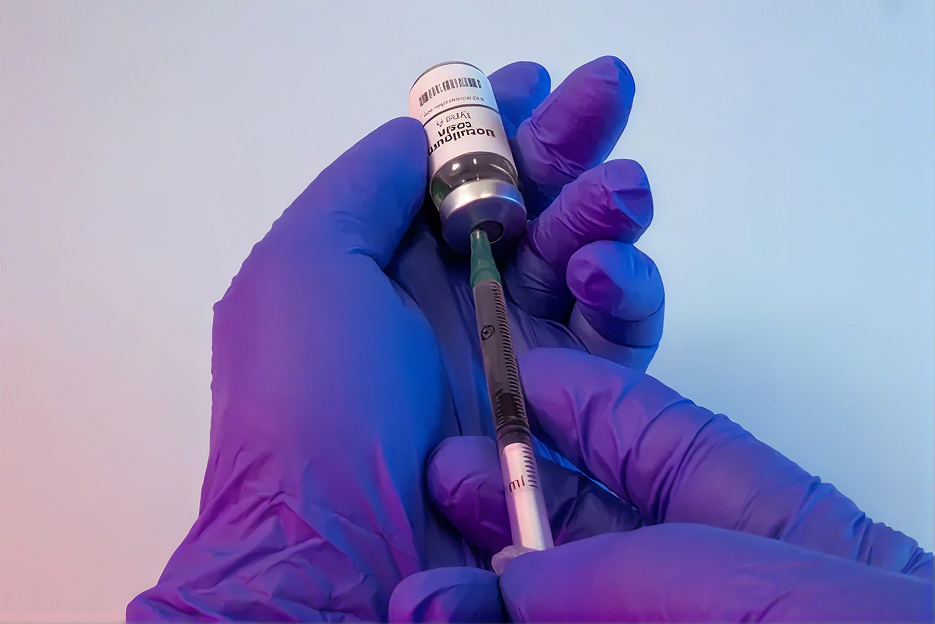
October is often treated as a moderate shipping month. Summer heat has begun to recede in many regions, while severe winter conditions may still appear weeks away. For pharmacies and pain management programs shipping trigger point injection medications, however, October can be one of the most deceptive periods in the distribution calendar.
A parcel may be collected during a warm afternoon, move overnight through a cold regional hub, and arrive on a mild residential or clinical delivery route the following day. Northern lanes can experience near-freezing conditions while southern destinations remain hot enough to place stress on a refrigerated package. These differences can occur within the same national distribution program.
This shoulder-season variability requires a more deliberate approach than simply continuing the summer pack-out until winter begins.
Trigger point injection programs may involve botulinum toxin products, extended-release corticosteroids, compounded sterile preparations, buffered local anesthetics, and other injectates with different storage limits and use windows. Nordic Cold Chain Solutions helps organizations evaluate those product-specific requirements against October lane conditions using insulated shippers, molded EPS coolers, conditioned gel packs, laboratory testing, and temperature monitoring.
Fall Risk Comes From Variability, Not One Extreme
Thermal packaging is commonly discussed in terms of peak summer heat or deep winter cold. October presents a different engineering problem: the ambient profile can change direction during the journey.

A package designed with a large quantity of deeply frozen refrigerant may perform well against heat but create excessive cooling risk when exposed to a cold overnight environment. A lighter configuration selected for mild weather may not provide enough protection if the parcel moves through an unexpectedly warm destination market.
These mixed profiles are especially relevant to national specialty pharmacy and compounding operations serving clinics across multiple climate zones.
A fall cold chain review should examine:
- Origin and destination climates
- Overnight hub temperatures
- Carrier service level
- Weekend or holiday delays
- Time between pack-out and pickup
- Clinic receiving hours
- Product-specific limits
- Refrigerant conditioning procedures
The objective is to identify where a universal year-round pack-out creates unnecessary risk.
Trigger Point Injection Products Require Separate Handling Logic
Trigger point injection workflows can include manufacturer-labeled medications and compounded sterile preparations. These products should not be grouped into one generic “refrigerated injection” category.
Published product labeling for reconstituted botulinum toxin products such as BOTOX and DYSPORT calls for refrigerated storage at 2 to 8°C and use within a limited period. This creates both a temperature requirement and a time requirement. A package may remain thermally protected but still arrive too late for the intended clinical schedule.

Extended-release corticosteroid products can have different labeled storage provisions. ZILRETTA, for example, is refrigerated to maintain labeled shelf life, while its handling information provides a limited controlled room temperature allowance for an unopened sealed kit when refrigeration is unavailable. That allowance should not be interpreted as a general reason to eliminate refrigerated shipping. It must be understood within the full labeled storage and inventory workflow.
Compounded sterile preparations require even closer alignment between packaging, assigned beyond-use dating, formulation, sterilization approach, testing, and storage conditions. The shipping process consumes part of the available time before use and should be incorporated into the distribution plan.
Buffered local anesthetic preparations may also differ materially according to formulation. The presence of epinephrine and exposure to room temperature or light can influence stability. A pack-out should therefore be connected to the exact preparation rather than a broad product name.
Molded EPS Coolers for Short-Duration Clinical Lanes
Nordic’s molded EPS shipping coolers can provide a practical foundation for refrigerated trigger point injection shipments moving through 24- to 48-hour parcel networks.
Expanded polystyrene offers thermal insulation in a lightweight, rigid form. This can help protect small vials, syringes, medication kits, and related components while limiting unnecessary shipping weight.
EPS coolers can be paired with corrugated outer cartons when additional exterior protection is needed. Nordic provides multiple standard sizes as well as custom development for payloads that require a specific internal arrangement.
For trigger point injection programs, the selected cooler should leave enough room for refrigerants, medication separation, secondary containment, and internal stabilization without creating excessive unused volume.
A shipper that is substantially larger than the payload may require more refrigerant and can introduce additional air space. A shipper that is too small may force medication into direct proximity with frozen components or prevent consistent placement.
Gel Pack Conditioning Matters More in October
Gel packs are frequently used to maintain refrigerated conditions, but their state at the time of pack-out influences the thermal response.
A deeply frozen gel pack placed directly beside a freeze-sensitive medication can create localized temperatures below the intended range. During hot weather, external heat may reduce the duration of that cold zone. During October, cooler ambient conditions may allow it to persist longer.
Conditioning procedures should therefore be written with sufficient precision. Staff should know the required starting state, allowable preparation method, staging time, and placement for each configuration.
Nordic Ice® Regular Gel Packs can be incorporated into refrigerated pack-outs when matched appropriately to the shipper, payload, route, and temperature objective. The number and arrangement of packs should be established through assessment and testing rather than informal adjustment.
Useful controls include:
- Consistent gel pack weight and format
- Defined freezer and conditioning procedures
- Separation between medication and refrigerant
- Repeatable internal placement
- Limits on package staging before pickup
- Seasonal configuration identifiers
These controls reduce the likelihood that operators will compensate for uncertain weather by adding or removing refrigerants without technical guidance.
October May Require Multiple Regional Pack-Outs
A pharmacy serving both Minneapolis and Miami should not assume that both October shipments will experience comparable ambient conditions. The same applies to east-west lanes, high-altitude destinations, and regions where early cold fronts can be followed quickly by warmer weather.
A regional packaging matrix can assign configurations based on lane and forecasted seasonal profile. This may include:
- A mild-weather refrigerated configuration
- A warmer southern-lane configuration
- A cooler northern-lane configuration
- An extended-duration or delay-tolerant option
- A monitored configuration for higher-risk medications
The number of configurations should remain operationally manageable. Excessive customization can introduce pack-out errors. The goal is to create a limited set of technically defined options that address meaningful differences in exposure.
Nordic’s lab services can help assess these options under representative environmental profiles. Testing may evaluate how the package responds when ambient temperatures transition between warm and cold phases rather than remaining at one extreme.
Delivery Timing Must Align With Clinical Use
Trigger point injection medications are often shipped into a scheduled care environment. The receiving clinic may need the product for appointments on a specific day, and short post-reconstitution or beyond-use windows can leave little room for delay.
October scheduling should account for carrier disruptions, regional weather events, reduced daylight delivery patterns, and receiving limitations around weekends.
Shipping late in the week may create avoidable risk when the clinic cannot receive or inspect the package promptly. A shipment containing a time-sensitive preparation should not rely on an assumed handoff that has not been confirmed with the receiving site.
The distribution plan should define:
- Expected delivery day
- Clinic receiving hours
- Responsible recipient
- Immediate storage procedure
- Temperature monitor review
- Response to a delayed shipment
- Clinical disposition authority
This coordination connects the thermal package with the actual care workflow.
Monitoring Helps Evaluate Shoulder-Season Performance
Temperature loggers can provide valuable information during October because external conditions are less predictable than the season’s mild reputation suggests.
Monitoring can determine whether a northern lane is producing excessive cooling, whether a southern route still requires a warmer-weather configuration, or whether a particular carrier hub is creating recurrent exposure.
The data can then guide November and winter planning. Rather than changing pack-outs according to calendar assumptions, the organization can use observed performance to decide when a colder-season configuration is warranted.
Use October as a Transition-Control Month
October should not be treated as an operational pause between summer and winter. It is an opportunity to examine how trigger point injection packaging performs when ambient conditions fluctuate across the same route.
Molded EPS coolers, appropriately conditioned Nordic Ice® gel packs, defined internal placement, regional pack-out logic, laboratory evaluation, and temperature monitoring can help pharmacies and healthcare distributors manage this seasonal transition more deliberately.
The strongest October cold chain program does not attempt to predict every weather event. It establishes enough thermal margin, procedural consistency, and shipment visibility to respond to variability without improvising at the pack-out station.