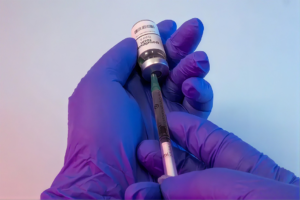
Peptide therapy shipping can look deceptively simple from the outside. The payloads are often small. The packages are compact. The shipment may contain only a few vials, syringes, or patient-specific components. But in cold chain logistics, small does not mean simple. In many cases, small-format peptide shipments have less thermal reserve, less room for error, and a greater need for disciplined packout design.
As peptide therapies expand across wellness clinics, longevity programs, specialty pharmacy channels, and GLP-1-adjacent treatment models, more products are moving through parcel networks and direct-to-patient delivery. That shift has changed the role of packaging. It is no longer enough to place a vial in a cold box and assume the shipment will hold. Peptide programs need packaging systems that support repeatable refrigerated performance across real routes, real seasons, and real fulfillment conditions.
Nordic Cold Chain Solutions supports this need with purpose-built temperature-controlled packaging strategies for peptide distribution, including small-format insulated shippers, refrigerant configurations, packout standardization, and validation-focused guidance for programs that are still defining their cold chain requirements.
The Small Payload Problem

Peptide shipments are often physically light, which can create a false sense of ease. A compact payload may be less expensive to ship and easier to handle, but it can also be more responsive to external temperature changes. With less product mass inside the package, there may be less thermal buffering against carrier delays, staging time, last-mile heat, or inconsistent refrigerant conditioning.
That matters because many peptide therapies are handled under refrigerated conditions, commonly within 2°C to 8°C depending on the compound and formulation. Some products may have different requirements in lyophilized versus reconstituted form. Others may be included in mixed therapy kits with components that do not all behave the same way.
This creates a cold chain environment where precision is practical, not theoretical. The packaging must be designed for the actual product profile and the actual shipment lane.
Peptide programs should evaluate:
- Which compounds are being shipped
- Whether products are lyophilized, reconstituted, or compounded
- Required temperature range
- Expected transit duration
- Payload size and configuration
- Whether shipments are clinic-bound or direct to patient
- Seasonal lane exposure
- Staff consistency during packout
- Whether monitoring is needed for confirmation or internal QA
Without those details, a packaging decision can become generic. Generic is exactly where risk enters.
Why Peptide Growth Changes the Packaging Conversation

Early peptide programs may start with limited weekly volume, a small number of destination clinics, or a manageable group of patients. At that stage, fulfillment teams may rely on informal knowledge and familiar packout habits. As volume increases, those habits can become a liability.
Growth introduces more shipments, more staff involvement, more destination variability, and more opportunities for small process differences to affect performance. One technician may condition gel packs differently from another. One location may pack earlier in the day. One delivery lane may include more dwell time. One patient may retrieve quickly while another leaves the package outside.
Growth can introduce new cold chain pressure through:
- Higher weekly shipment volume
- More staff involved in fulfillment
- Additional delivery lanes and climate zones
- More direct-to-patient shipments
- Greater variation in patient availability
- Increased need for documented packout procedures
- More reliance on standardized components and kitting-ready materials
As peptide distribution scales, cold chain performance depends on repeatability. The packaging system must be easy to execute the same way every time.
This is where Nordic’s tiered thinking for peptide programs becomes valuable. Early-growth programs may need compact insulated shippers and simple packout procedures. Recurring shipment programs may require standardized formats, refrigerant conditioning methods, and clearer documentation. Higher-volume operations may benefit from kitting-ready components and configurations designed for throughput.
The cold chain challenge evolves with the business model. Packaging should evolve with it.
Compound-Specific Requirements Require More Than One Assumption
Peptide therapy is not a single product category from a cold chain standpoint. BPC-157, semaglutide, tirzepatide, thymosin alpha-1, CJC-1295, and ipamorelin may each involve different handling expectations depending on formulation, pharmacy protocol, and product state. Some programs may be built around refrigerated shipment. Others may include frozen or mixed handling considerations.
That variability makes it risky to build a shipping program around one broad peptide assumption. The right strategy begins by defining the exact product requirements, then matching packaging to the required range, lane duration, and workflow.
Product-specific planning should consider:
- Compound stability expectations
- Refrigerated versus frozen handling needs
- Lyophilized versus reconstituted state
- Beyond-use dating when applicable
- Whether the shipment includes mixed therapy components
- Storage capabilities at the receiving location
- Whether the therapy is going to a clinic, patient, or pharmacy partner
This is particularly important for compounding and specialty pharmacy operations. Packaging should support the product’s assigned storage and distribution expectations, not sit outside the quality plan. If beyond-use dating, formulation stability, or pharmacy process controls are relevant, shipping should be considered part of that protection strategy.
A peptide cold chain program should not ask, “What box do we use for peptides?” It should ask, “What packaging system supports this compound, this preparation, this lane, and this receiving model?”
Last-Mile Exposure Can Erase a Strong Packout

A peptide shipment can be packed correctly and still face risk after leaving the pharmacy. Parcel networks are full of variables that are difficult to control from the origin point. Delivery timing may shift. A package may sit in a warm vehicle. A patient may not be home. A clinic may receive late in the day. A parcel locker may hold the package longer than expected.
For small peptide payloads, these last-mile conditions matter. The shipment’s final hours can be among the most thermally demanding, especially during warm seasons or in regions with intense afternoon heat.
Packaging strategy should therefore account for more than transit duration on paper. It should consider the lived behavior of the lane.
Important last-mile questions include:
- Will the shipment be delivered to a clinic, patient home, or shared facility?
- Is someone available to receive the package immediately?
- Does the delivery route frequently arrive late in the day?
- Are shipments moving through high-heat regions?
- Is a weekend or holiday delay possible?
- Does the packout have enough margin for realistic dwell time?
- Should patient communication be adjusted based on seasonal risk?
These questions are operational, but they are also thermal. The last mile is not separate from the cold chain. It is part of the cold chain.
Standardized Packouts Reduce Technician Variability
Peptide shipping programs become stronger when the packout is treated as a controlled process. This does not mean making the workflow overly complicated. In fact, the most effective packouts are usually clear, repeatable, and easy for staff to execute consistently.
Standardization may include:
- Defined shipper sizes by shipment type
- Specific gel pack quantities and placement
- Documented refrigerant conditioning steps
- Visual assembly instructions
- Clear rules for when to change configurations
- Packout verification before carrier handoff
- Training for new technicians or additional fulfillment locations
This reduces the chance that each technician interprets the process differently. For multi-location programs, this consistency is even more important. A peptide shipment leaving one facility should not perform differently from the same type of shipment leaving another simply because the packaging method was not standardized.
Nordic supports peptide cold chain programs by helping organizations build repeatable packaging foundations. That includes insulated shipping solutions, refrigerant strategies, and scalable component sets that can support low-volume pilots, recurring shipments, and higher-velocity distribution models.
Packaging Should Be Validated Against the Program You Actually Run
Peptide programs often operate in a space where requirements are still being formalized. Some clinics are expanding quickly. Some pharmacies are adjusting to new shipment patterns. Some products are moving from local pickup models into direct-to-patient delivery. In these circumstances, validation-focused planning is especially useful.
Testing and evaluation can help determine whether a packaging configuration is appropriate for the product and lane.
Validation-focused planning may include:
- Thermal packaging evaluation
- Temperature profiling
- Environmental testing
- Trial shipments across high-risk lanes
- Temperature monitoring during seasonal transitions
- Packout documentation review
- Review of recurring excursions or delivery delays
- Ongoing optimization as volume, geography, or product mix changes
The objective is not to overbuild every peptide shipment. It is to select the right level of protection for the product’s true risk profile.
Cold Chain Discipline for a Fast-Growing Therapy Category
Peptide therapy shipping sits at the intersection of small payloads, tight handling expectations, growing patient demand, and increasingly complex distribution models. That combination creates risk, but it also creates an opportunity to build better systems before volume outpaces process control.
Nordic Cold Chain Solutions helps peptide programs move from informal cold shipping to structured cold chain packaging with compact insulated shippers, refrigerated packout strategies, scalable component options, and cold chain expertise for pharmacies, longevity clinics, and specialty distribution teams.
Contact Nordic Cold Chain Solutions to assess your peptide cold chain program, standardize packouts across growing shipment volume, and identify packaging components that support reliable 2–8°C performance for your specific products and lanes.