
Seasonal Transit Risk in the Trial Supply Chain
Spring transit conditions are inherently unstable. External temperatures fluctuate daily and geographically, exposing shipments to a wide range of thermal stressors within a single journey. A package may leave a controlled warehouse, pass through ambient loading docks, encounter warm daytime transport, and arrive at a site experiencing entirely different climate conditions.
For temperature-sensitive clinical trial materials, these transitions introduce meaningful risk. Even short excursions can compromise product stability, jeopardize samples, or trigger deviations that delay study progress. As trials scale, the frequency of shipments increases and the margin for error shrinks.
Seasonal risk is amplified in global trials where materials cross borders, climates, and infrastructure standards. Without packaging systems that have been rigorously tested against real-world environmental variability, performance assumptions can quickly fail.
Why Early Packaging Qualification Matters
Packaging qualification is the process of verifying that a cold chain system consistently maintains required temperature conditions under defined transit scenarios. In the context of clinical trials, qualification is not simply a regulatory checkbox. It is a proactive risk mitigation strategy that protects patient safety, data integrity, and study timelines.
Waiting until enrollment begins to verify packaging exposes trials to avoidable disruption. Early qualification allows sponsors and clinical supply teams to identify vulnerabilities before they become operational failures. It also enables informed decision-making around materials, configurations, and packout procedures.
Effective packaging qualification supports:

- Confidence in temperature performance across seasonal conditions
- Alignment with Good Clinical Practice requirements
- Reduction of deviations, excursions, and product loss
- Smoother scale-up as shipment volumes increase
By addressing these factors early, trial teams create stability within an otherwise variable supply chain.
Temperature Profiling as a Design Input
Temperature profiling plays a critical role in packaging qualification. Rather than relying on generalized assumptions, profiling evaluates how a product and its packaging respond to specific temperature exposures over time. This data-driven approach allows packaging systems to be designed around actual risk scenarios rather than theoretical ones.
Through temperature profiling, Nordic Cold Chain Solutions assesses:
- Internal temperature behavior of clinical trial materials
- Impact of refrigerant type, quantity, and placement
- Performance under varying ambient temperature conditions
- Duration of temperature hold relative to transit timelines
These insights inform packaging design decisions that directly support cold chain readiness. Profiling ensures that systems are neither overengineered nor underprepared, balancing protection with operational efficiency.
Environmental Testing for Real-World Conditions
Environmental testing extends beyond temperature alone. Clinical trial shipments are exposed to humidity changes, prolonged dwell times, and temperature cycling that can stress both packaging materials and payloads. Environmental testing simulates these conditions to evaluate system resilience before deployment.
Nordic Cold Chain Solutions Lab Services conducts environmental testing that mirrors real-world transit challenges, including extreme temperature exposure and variable humidity environments. This testing identifies how insulation materials, refrigerants, and package configurations perform under stress.
Environmental testing supports:

- Verification of packaging performance during seasonal transitions
- Identification of condensation or material degradation risks
- Confidence in packaging integrity across diverse transit lanes
By simulating the conditions most likely to be encountered during spring and summer transit, environmental testing reduces uncertainty when trials move into active shipping phases.
Cold Chain Assurance and GCP Logistics
Cold chain assurance is a cornerstone of compliant GCP logistics. Regulatory frameworks require that temperature-sensitive clinical trial materials are handled, stored, and transported under controlled and documented conditions. Documented confirmation provides evidence that packaging systems consistently meet these requirements.
Nordic Cold Chain Solutions supports this process through lab qualification services that align with GCP and GMP expectations. Documentation generated through temperature profiling, environmental testing, and qualification protocols helps trial sponsors demonstrate control and traceability throughout the supply chain.
This work is especially important as trials scale. Higher shipment volumes increase scrutiny, and deviations become more visible and costly. Qualified packaging systems provide assurance that performance is repeatable across sites, regions, and seasons.
Aligning Packaging Strategy with Trial Scale-Up
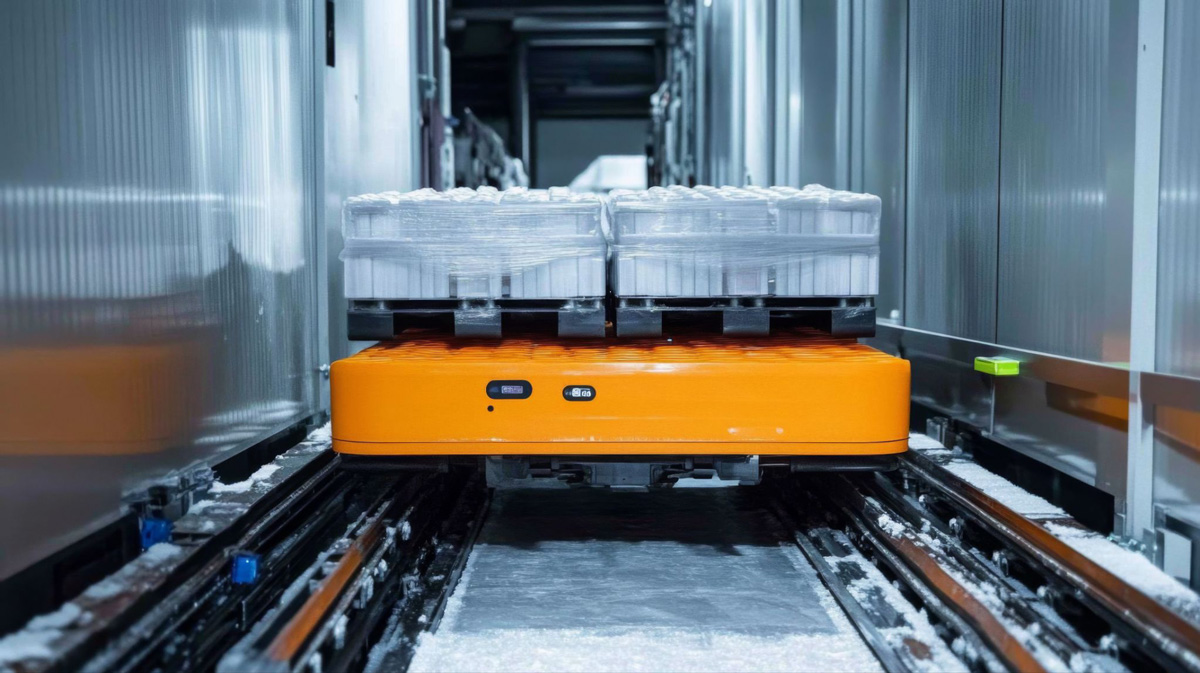
Spring often marks the transition from limited pilot shipments to broader distribution across multiple clinical sites. Packaging systems that performed adequately during early phases may struggle under increased volume and environmental exposure if they were not designed with scale in mind.
Early lab qualification allows trial teams to align packaging strategy with anticipated growth. Rather than reacting to issues mid-study, teams can proactively select materials and configurations that support long-term consistency.
Key considerations during this phase include:
- Standardizing packaging configurations across sites
- Ensuring materials are available and scalable globally
- Supporting operational efficiency during higher shipment frequency
- Reducing reliance on site-specific improvisation
A well-qualified packaging system becomes a stabilizing element within an expanding trial supply chain.
Building Seasonal Readiness Through Lab Qualification
Seasonal transitions are inevitable, but disruption does not have to be. Clinical trial supply chains that incorporate early-stage lab qualification are better positioned to absorb variability without compromising performance.
Nordic Cold Chain Solutions Lab Services provides the tools, expertise, and testing capabilities needed to prepare packaging systems for real-world conditions. Through temperature profiling, environmental testing, and qualification support, Nordic helps trial sponsors establish a proven foundation before activity accelerates.