The Expanding Stakes of Pharmaceutical Temperature Control
The pharmaceutical industry has undergone a structural shift toward therapies that require strict temperature management from manufacture through administration. Biologics, cell and gene therapies, and specialty injectables now represent a significant share of top-selling drugs. Many of these products must remain within narrow refrigerated or frozen ranges to maintain molecular stability and clinical effectiveness.
At the same time, regulators have strengthened Good Distribution Practice expectations, placing greater emphasis on documented temperature control, traceability, and risk mitigation. Monitoring alone is no longer sufficient. Cold chain systems must demonstrate that they are designed, executed, and prepared to perform consistently under defined conditions.
This environment has elevated the role of conditioning. Without properly conditioned gel packs and refrigerants, even the most advanced packaging systems can produce unpredictable results. Temperature excursions, internal gradients, or shortened duration performance often trace back to inadequate or inconsistent conditioning rather than insulation failure.
What Conditioning Really Controls
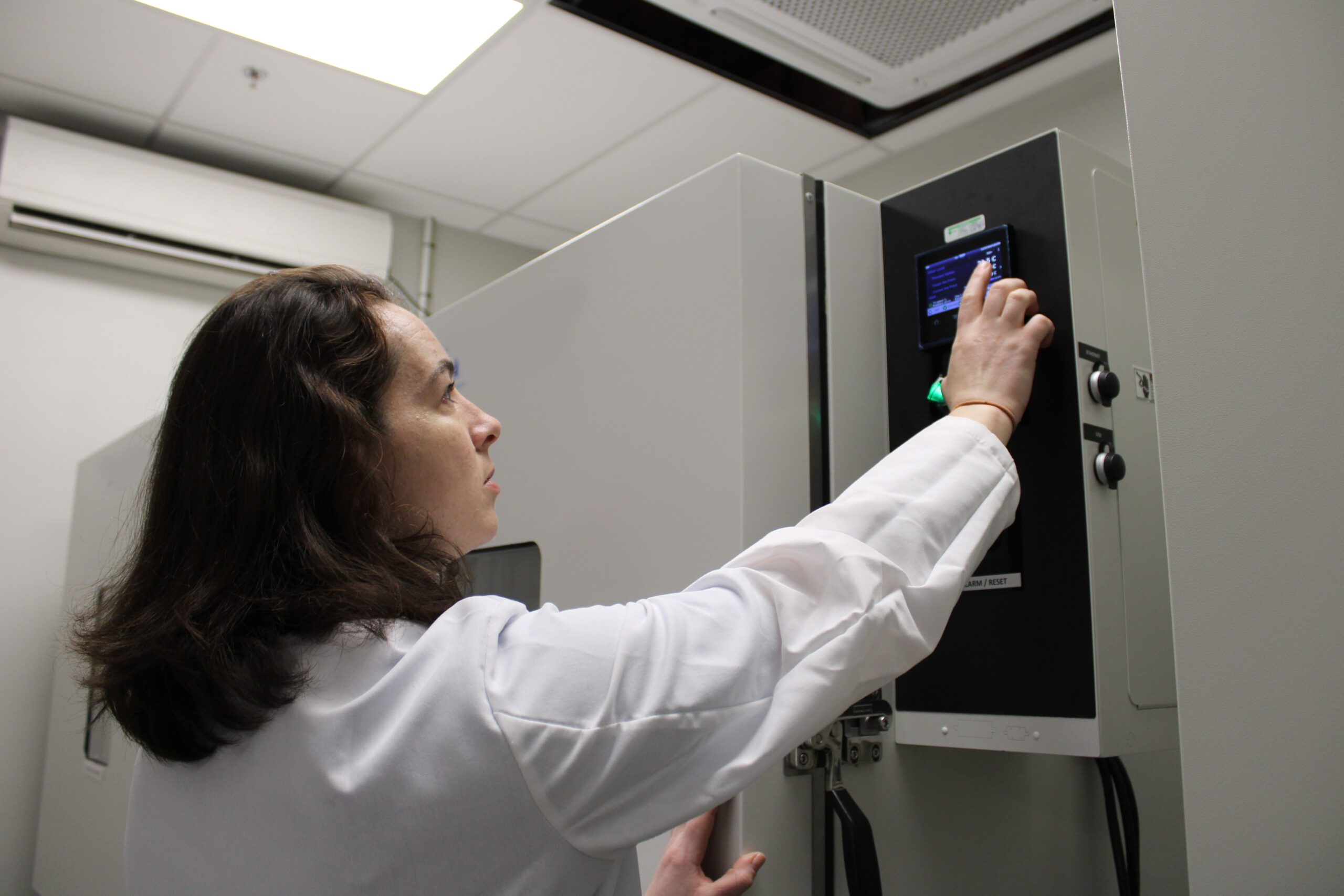
Conditioning is frequently misunderstood as a simple pre-chill step. In reality, it is a controlled process that determines how refrigerants behave once placed into a shipping configuration. The temperature at which a gel pack is conditioned, the duration of conditioning, and the uniformity across batches all influence how thermal energy is absorbed and released during transit.
Improper conditioning can introduce risks that are difficult to detect until shipments fail in the field. Gel packs that are too warm may not provide sufficient cooling capacity. Packs that are over-frozen may create localized freezing zones that damage sensitive pharmaceuticals. Variability between conditioned units can lead to inconsistent performance across identical shipments.
Effective conditioning directly governs:
- Initial thermal state of the refrigerant at pack-out
- Rate of energy release during transit
- Interaction between refrigerant and payload temperature
- Uniformity of performance across multiple shipments
Because these factors shape the entire thermal profile of a shipment, conditioning must be treated as a controlled and validated process rather than an operational afterthought.
Conditioning as a Risk Mitigation Strategy
Pharmaceutical cold chains are exposed to a wide range of external stressors, including ambient temperature fluctuations, transport delays, and handling variability. Conditioning acts as a stabilizing mechanism that reduces sensitivity to these disruptions.
When gel packs are conditioned according to defined protocols, they enter the shipping system with predictable thermal behavior. This predictability allows packaging designs to perform as substantiated during testing, rather than deviating under real-world conditions. Conditioning therefore acts as a bridge between laboratory verification and operational reality.
From a risk perspective, conditioning reduces:
- Temperature overshoot at the start of transit
- Internal hot or cold spots within the shipper
- Sensitivity to short-term delays or exposure events
- Variability across different facilities or pack-out teams
In high-volume pharmaceutical distribution, where small inconsistencies can scale into systemic issues, conditioning becomes one of the most effective controls available.
Custom Conditioning Protocols for Real-World Distribution
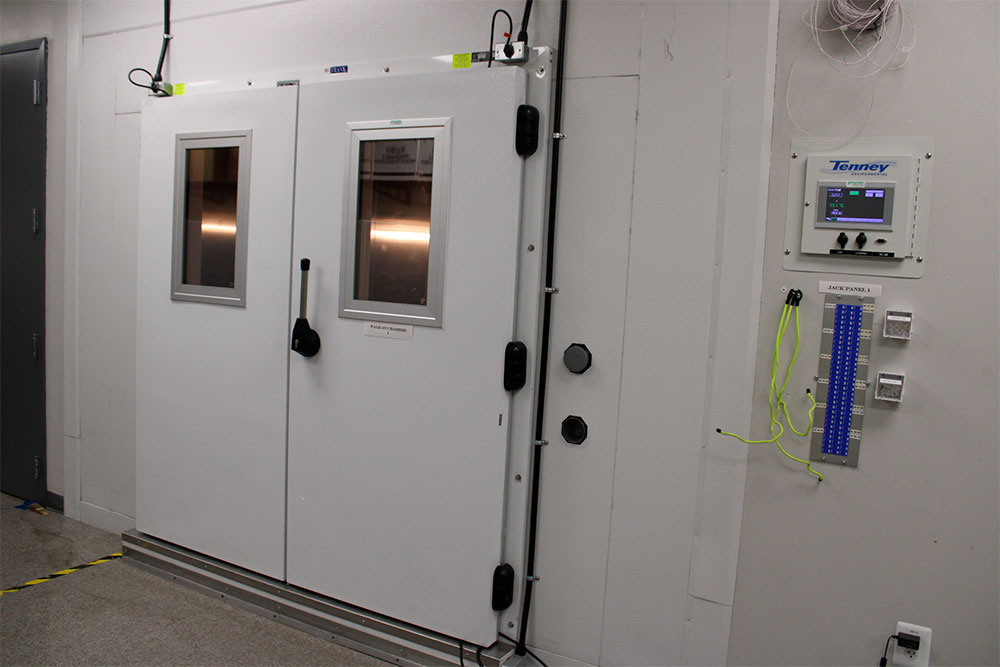
No two pharmaceutical supply chains are identical. Transit durations, climate exposure, payload mass, and product sensitivity all influence how a cold chain system should be prepared. As a result, conditioning protocols must be customized rather than standardized around a single temperature or time window.
Effective conditioning programs account for:
- Target temperature range of the pharmaceutical product
- Expected transit duration and route complexity
- External climate profiles and seasonal variation
- Packaging configuration and insulation characteristics
By aligning conditioning parameters with these variables, pharmaceutical companies can ensure that gel packs perform as intended throughout the shipment lifecycle. This alignment is particularly important for products with narrow stability margins, where even short excursions can compromise quality.
Quality Assurance Begins Before Pack-Out
Conditioning is also a quality assurance activity. Controlled conditioning environments, documented protocols, and verification checks ensure that each refrigerant entering the supply chain meets defined performance criteria. Without these controls, variability can accumulate unnoticed until it manifests as shipment failure.
A robust conditioning program incorporates:
- Controlled temperature environments for refrigerant preparation
- Defined conditioning durations tied to proven pack-outs
- Batch-level consistency checks
- Clear documentation supporting audit and compliance requirements
These measures provide traceability and confidence that cold chain performance is not dependent on individual operators or facility-level improvisation. Instead, it becomes a repeatable process that can scale across locations and volumes.
Integration Into Pharmaceutical Supply Chains
For conditioning to deliver value, it must integrate seamlessly into existing pharmaceutical operations. Conditioning programs that introduce complexity, delays, or manual workarounds can create friction rather than resilience. The most effective approaches are designed to support throughput while improving performance consistency.
Integrated conditioning services allow pharmaceutical companies to focus on core manufacturing and distribution activities while ensuring that refrigerants are prepared correctly and delivered ready for use. This integration supports lean operations and reduces the risk of last-minute errors during high-pressure pack-out windows.
Key integration advantages include:
- Reduced handling and preparation steps at shipping facilities
- Consistent refrigerant readiness across multiple sites
- Improved alignment between packaging qualification and execution
- Simplified training and standard operating procedures
When conditioning is embedded into the supply chain rather than layered on top of it, reliability improves without sacrificing efficiency.
Supporting Sustainability and Long-Term Performance
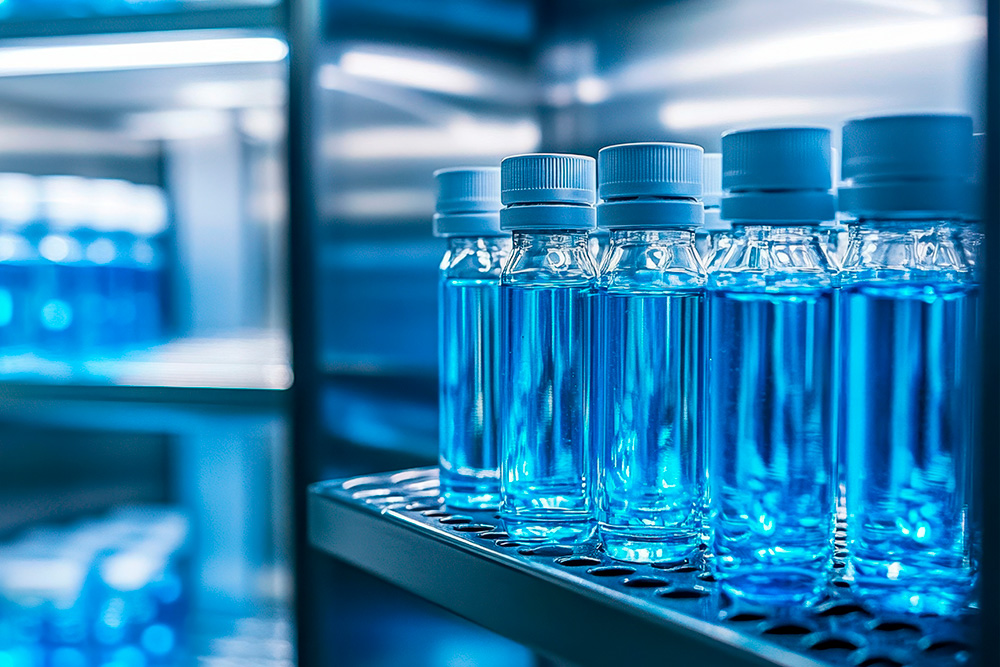
Conditioning also plays a role in sustainability and lifecycle management. Properly conditioned gel packs perform more efficiently, reducing the need for excess refrigerant or oversized packaging. This efficiency lowers material consumption, shipping weight, and waste generation over time.
Advances in refrigerant formulation and conditioning practices have further expanded sustainability options. Non-toxic, drain-safe gel packs and recyclable packaging materials allow pharmaceutical companies to meet environmental objectives without compromising temperature control. Conditioning ensures that these materials perform consistently, reinforcing both environmental and operational goals.
By optimizing how refrigerants are prepared and used, conditioning contributes to:
- Lower total cost of ownership
- Reduced packaging waste and disposal challenges
- More predictable reuse or end-of-life handling
- Stronger alignment with corporate sustainability targets
Conditioning as the Invisible Enabler of Cold Chain Reliability
While packaging materials and shipper designs are highly visible elements of pharmaceutical cold chains, conditioning operates quietly in the background. Its impact, however, is felt in every successful delivery and every avoided temperature excursion. Conditioning transforms individual components into a unified system, ensuring that engineered designs perform reliably under real-world conditions.
Nordic Cold Chain Solutions supports pharmaceutical cold chain performance through comprehensive conditioning services, design-tested packaging, and expert guidance built on years of industry experience. By treating conditioning as a foundational control rather than a secondary step, pharmaceutical organizations can achieve greater consistency, stronger compliance, and higher confidence across their distribution networks.