
The GLP-1 market has entered a more operationally demanding stage. As semaglutide and tirzepatide therapies continue moving through retail, specialty pharmacy, compounding, mail-order, and direct-to-patient channels, packaging has become a much more important part of overall distribution performance. In the Ozempic era, cold chain packaging is no longer just a supporting logistics decision. It is central to product protection, fulfillment consistency, and audit readiness.
That shift is happening because GLP-1 therapies now move through broader, faster, and more variable parcel workflows than many organizations were originally built to manage. More order volume, more lanes, and more residential deliveries all create additional exposure risk. At the same time, these products remain highly temperature-sensitive biologics that require careful handling throughout storage, pack-out, transportation, and delivery.
As 2026 continues, pharmacies and fulfillment teams are being pushed to demonstrate more than basic refrigerated shipping capability. They need to show that their pack-outs are repeatable, their procedures are documented, and their cold chain controls can support the realities of modern parcel distribution. Packaging has become one of the clearest indicators of whether a GLP-1 operation is truly prepared to scale.
GLP-1 Growth Is Changing How Packaging Must Perform
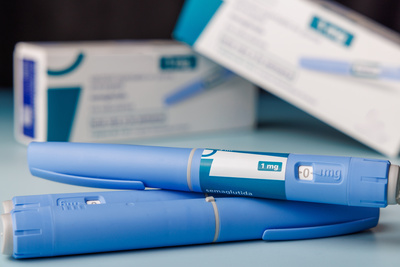
The rapid expansion of Ozempic, Wegovy, and related therapies has changed the expectations placed on pharmacy shipping operations. What may once have been manageable through modest refrigerated workflows now often requires high-velocity small-format distribution with much tighter operational discipline. As demand grows, packaging must do more than keep a medication cold for a limited period. It must support consistency, repeatability, and control across a much more active shipping environment.
A packaging format that performs at lower volume may not remain dependable once dozens or hundreds of orders are packed each day by multiple technicians. In that setting, even small inconsistencies can create measurable differences in shipment behavior. The issue is no longer only whether the packaging materials are capable. It is whether the system as a whole can be executed reliably.
This is one reason Nordic’s GLP-1 & Small-Format Packaging Innovation Lab is so relevant to the 2026 market. It reflects a more structured packaging model, one built around real shipping conditions, documented design, and scalable execution instead of informal decision-making.
Temperature Control Remains the Foundation
GLP-1 medications generally require refrigerated handling in the 2 to 8°C range, and freezing can cause irreversible structural damage. Heat exposure is also a serious concern because it can accelerate degradation. That means temperature control remains the foundation of product protection throughout the distribution process.
The difference in 2026 is that temperature control must now be maintained through a more complex last-mile environment. Once a shipment leaves the pharmacy or fulfillment center, it may encounter variable delivery timing, porch dwell time, seasonal temperature swings, and unpredictable handling conditions. A pack-out that works well in controlled storage can still fail if it is not designed for the realities of parcel distribution.
That is why strong GLP-1 packaging strategies are moving beyond generic refrigerated shipping setups. The focus is increasingly on packaging systems designed specifically for the thermal sensitivity, payload format, and last-mile exposure associated with GLP-1 products.
Documented Proof Is Becoming a Much Stronger Expectation
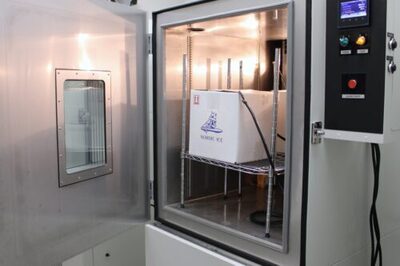
One of the clearest trends in 2026 is the growing importance of documented packaging performance. As GLP-1 distribution expands, organizations are under more pressure to show that their pack-outs can maintain required conditions under realistic shipping stressors. Presumed adequacy is no longer enough.
This matters because cold chain problems often emerge from untested assumptions rather than obvious failures. A shipper may appear suitable, but without a structured process for assessing the product, designing the pack-out, and verifying performance, the organization may not have real confidence in how that configuration behaves across seasons and lanes.
Nordic’s Innovation Lab addresses this by using a four-step model: product assessment, pack-out design, ISTA-certified testing, and scalable production. That process helps customers move from generalized packaging decisions toward a more documented and operationally sound system.
Repeatability Is Now a Competitive Requirement
A pack-out can be thermally capable and still fail operationally if it cannot be assembled consistently. That has become one of the most important lessons of the Ozempic era. As shipment volume rises, repeatability matters just as much as thermal performance.
Cold chain outcomes depend on how the package is built in practice. Small differences in refrigerant conditioning, separator placement, internal arrangement, or void-fill use can affect how the package behaves in transit. When multiple staff members are building recurring shipments, those differences become harder to ignore.
That is why repeatability has become a defining packaging requirement. The strongest GLP-1 programs are not just selecting materials. They are creating pack-out methods that can be repeated across staff, locations, and seasons with minimal variation. In a high-growth category, that level of consistency helps reduce risk while supporting throughput.
Seasonal Planning and Freeze Protection Are Getting More Attention
Heat is not the only concern in GLP-1 distribution. Freezing is one of the most serious product-loss risks, and it is often underestimated. A shipment can remain cold and still become unusable if refrigerants are over-conditioned, placed too close to the medication, or used without adequate separation in winter conditions.
That is why seasonal pack-out planning is becoming more important in 2026. Summer conditions may require more refrigerant and tighter heat protection, while winter conditions often require reduced refrigerant count, more separation barriers, and stronger no-freeze logic. A static refrigerated pack-out is becoming harder to defend in a market where product sensitivity and audit scrutiny are both increasing.
This seasonal discipline should be built into the shipping process itself. Staff should know which version of the pack-out applies and how to assemble it correctly for the conditions at hand. That is part of what separates a basic refrigerated shipment from a more mature cold chain operation.
Monitoring and Documentation Support Stronger GLP-1 Programs

As GLP-1 operations grow, visibility into shipment behavior becomes more valuable. Temperature indicators and related monitoring tools can help organizations understand how their shipments perform across lanes, seasons, and recurring workflows. That visibility is useful not only for catching problems, but also for refining the system.
Monitoring becomes especially valuable for higher-risk lanes, expanding geographies, and organizations that want stronger internal confidence as they scale. It helps shipping teams understand where variability may be entering the process and where adjustments are needed.
Documentation matters for the same reason. Refrigerant conditioning logs, training records, temperature-study summaries, corrective-action tracking, and pack-out version control all support a more disciplined operating model. In 2026, this level of process visibility is becoming increasingly important in GLP-1 fulfillment.
Purpose-Built Packaging Is Helping Define a New Cold Chain Standard
As the market matures, purpose-built GLP-1 packaging is becoming a stronger advantage. Generic refrigerated packaging can still play a role, but GLP-1 distribution increasingly rewards solutions designed around the actual needs of these therapies, including pen-style payloads, last-mile variability, freeze protection, and repeatable assembly. Nordic’s GLP-1 Express Pack reflects this shift by focusing on the real demands of 2 to 8°C GLP-1 performance, including more consistent thermal behavior, support for no-freeze protection, and a compact format better suited to high-volume parcel workflows.
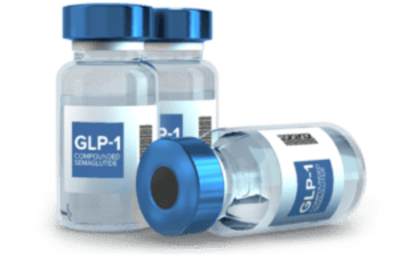
That kind of packaging alignment matters in a category this sensitive and this fast-moving. More broadly, it reflects a larger shift taking shape across GLP-1 distribution in 2026. The trends shaping the Ozempic era are helping define expectations for the future of small-format specialty pharmacy, peptide therapies, and temperature-sensitive direct-to-patient distribution. Evidence-backed design, repeatability, seasonal planning, and documented control are becoming standard features of a more mature cold chain strategy, and packaging is increasingly judged by whether it can scale, support staff consistency, and perform predictably under real shipping conditions.
As GLP-1 distribution becomes more operationally demanding, pharmacies and fulfillment teams need cold chain strategies built for greater consistency, scalability, and control. With ISTA-certified testing capabilities, purpose-built packaging for small-format therapies, and a structured approach to pack-out design and scale-up, Nordic Cold Chain Solutions helps organizations create shipping programs better aligned to the realities of modern parcel distribution. To explore packaging strategies that support stronger GLP-1 workflows, contact Nordic Cold Chain Solutions today.