
A well-designed insulated shipper can still underperform if the refrigerants inside it are not prepared correctly. This becomes especially important in July, when elevated ambient temperatures, hot carrier facilities, delivery vehicle exposure, and longer residential dwell times can place added stress on temperature-controlled shipments.
For companies shipping pharmaceuticals, biologics, specialty medications, peptide therapies, clinical trial materials, and other temperature-sensitive products, gel pack conditioning is not a minor fulfillment detail. It is one of the most important variables in cold chain performance. The same shipper can behave differently depending on how the gel packs were frozen, tempered, staged, loaded, and arranged around the payload.
During milder months, small process gaps may go unnoticed. In July, those gaps become easier to see. A gel pack that is not cold enough may reduce hold time. A gel pack that is too cold for a refrigerated shipment may introduce overcooling risk. A pack-out that sits too long before pickup may lose critical thermal capacity before transit even begins. A team that uses inconsistent refrigerant quantities or placements may see different results across shipments that should perform the same way.
Nordic Cold Chain Solutions’ Gel Pack Conditioning Program supports temperature-controlled shipping by helping customers prepare refrigerants according to the product, shipping lane, duration, and performance goals. In summer, that preparation can be the difference between a package that is simply insulated and a package that is truly ready for the conditions ahead.
Conditioning Is More Than Freezing a Gel Pack
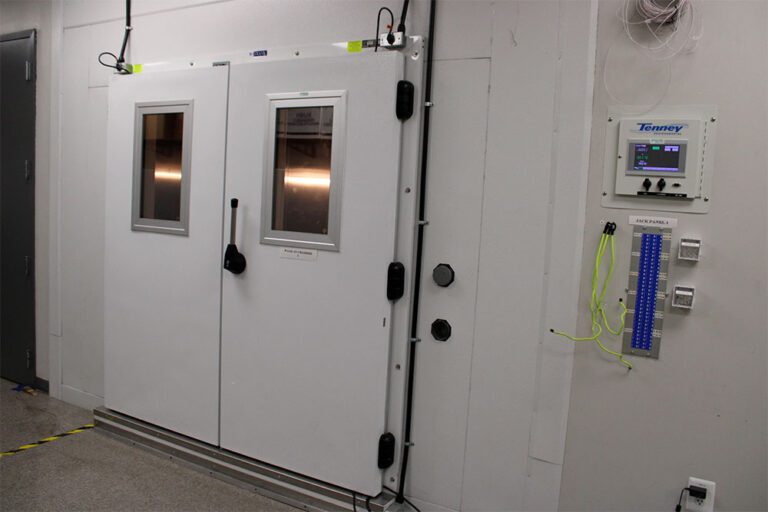
It is easy to think of refrigerant preparation as a simple freezer process. Put the gel packs in cold storage, wait until frozen, add them to the box, and ship. In reality, conditioning is more specific than that.
Different shipments require different thermal behavior. A refrigerated pharmaceutical shipment may need to maintain a 2 to 8°C range without drifting too warm or too cold. A frozen shipment may require a very different profile. A product that can tolerate ambient conditions may still need thermal moderation during hot-weather transit. The refrigerant strategy should match the product’s requirements rather than follow a one-size-fits-all routine.
Conditioning includes the target temperature of the gel pack, how long it is held in the conditioning environment, whether it needs to be tempered before packing, how quickly it is transferred into the shipper, and how it is positioned around the payload. Each step affects performance.
In July, these steps become even more important because the external environment is less forgiving. A shipment may leave a controlled facility and quickly encounter heat on a loading dock, in a delivery vehicle, or during final drop-off. If the refrigerant was not properly conditioned from the start, the package has less margin for real-world exposure.
Summer Heat Exposes Inconsistent Fulfillment Habits
Many cold chain issues are not caused by the shipper alone. They often come from small variations in daily execution. One staff member may pull gel packs too early. Another may use a slightly different pack arrangement. One shift may stage completed boxes near a warmer area. Another may seal shipments closer to pickup. These details can influence performance, especially in hot-weather lanes.
July makes inconsistency harder to ignore because the environment applies more pressure to the system. A package that performed acceptably in April may struggle in July if the same configuration is used without reviewing refrigerant conditioning, ambient exposure, and staging procedures.
Common summer weak points include:
- Gel packs not held long enough in the required conditioning environment
- Refrigerants removed too early before pack-out
- Completed shipments staged too long before carrier pickup
- Substituted gel pack sizes or quantities
- Inconsistent product placement inside the shipper
- Insufficient review of hot-climate or longer-duration lanes
These may seem like small operational details, but they can accumulate into meaningful temperature risk.
A structured conditioning program helps reduce that variability. Instead of relying on staff judgment each time, the process defines how refrigerants should be prepared for specific shipment types. This makes the cold chain more repeatable and easier to manage across shifts, facilities, and seasonal changes.
Refrigerant Selection Should Reflect the Shipment
Not all gel packs serve the same operational purpose. Nordic offers a range of gel refrigerant options designed for different temperature-sensitive applications, including pharmaceuticals, medical products, biologics, perishable goods, and other products that require controlled conditions during transport.
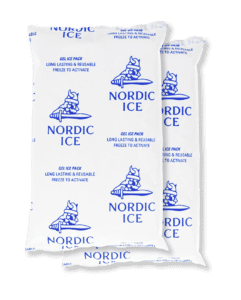
Nordic Ice® Regular Gel Packs provide a durable, reusable, long-lasting refrigerant option that can support ambient, refrigerated, or frozen applications depending on how they are conditioned and used. Nordic Drain Safe® gel packs are designed for situations where reuse or disposal may be inconvenient, with a non-toxic drain-safe formulation that can be processed through approved wastewater systems. Nordic Ice® Linked Gel Packs can be useful when a flatter refrigerant profile is helpful for space-sensitive packages. No sweat options can help reduce condensation concerns for moisture-sensitive products, labels, or packaging formats.
The right refrigerant depends on the product, shipper, payload size, thermal target, and fulfillment model. A pharmaceutical shipment that requires refrigerated control may call for a different conditioning and placement strategy than a frozen shipment or a product that only needs protection from heat spikes.
In July, refrigerant selection should also account for expected ambient exposure. Hotter lanes, longer transit durations, and residential delivery risk may require additional review to ensure the refrigerant configuration is appropriate for the conditions the package will actually face.
Overcooling Can Be as Important as Warming Risk
Summer cold chain planning often focuses on preventing products from getting too warm. That is a valid concern, but it is not the only risk. For refrigerated shipments, especially those targeting 2 to 8°C, overcooling can also be a problem if refrigerants are too cold, improperly tempered, or placed too close to the payload.
This is why conditioning has to be precise enough for the product’s required range. A frozen gel pack may offer thermal strength, but if it is not prepared and placed appropriately for a refrigerated shipment, it could expose the product to temperatures below the acceptable range. The objective is not maximum cold. The objective is controlled performance.
Nordic’s conditioning support helps align refrigerant preparation with the required temperature profile. That may include guidance around conditioning protocols, quality checks, and process integration so the refrigerant supports the shipment rather than creating a new risk.
This balance is particularly important for pharmaceutical and medical shipments where temperature excursions in either direction can create product quality concerns, documentation issues, replacement costs, and operational disruption.
Pack-Out Timing Matters
A properly conditioned gel pack can still lose effectiveness if the surrounding workflow is not controlled. In summer, the time between removing refrigerants from conditioning and sealing the shipment matters. So does the time between sealing the shipment and carrier pickup.
If completed shipments sit too long in a warm staging area, the package may begin consuming its thermal capacity before it enters transit. If gel packs are removed from controlled storage too early, they may not perform as expected. If pack-out steps are rushed or changed during high-volume periods, the process may become less consistent.
A strong summer cold chain process should define the timing around pack-out. Teams should know when to pull refrigerants, where to stage components, how quickly packages should be sealed, and how close to pickup completed shipments should be prepared. These steps help preserve thermal performance for the part of the journey that matters most: transit and delivery.
Nordic’s Gel Pack Conditioning Program is designed to integrate with supply chain operations so refrigerants are prepared in a way that supports real fulfillment workflows. That matters because a conditioning process that looks good on paper but does not fit daily operations will be difficult to maintain.
Quality Checks Create Confidence
Cold chain performance depends on repeatability. Quality assurance steps help confirm that refrigerants are being conditioned and handled consistently. This may include checking that gel packs meet expected preparation standards, reviewing storage conditions, documenting process steps, and ensuring that pack-outs are assembled according to the defined method.

In July, these checks become especially valuable. Hot-weather performance leaves less room for assumption. Teams need confidence that each shipment is starting with the right thermal foundation.
Quality checks also support troubleshooting. If a shipment experiences a delay or temperature concern, a documented conditioning and pack-out process makes it easier to evaluate what happened. Without that structure, teams may struggle to determine whether the issue came from refrigerant preparation, packaging selection, staging time, carrier delay, receiving conditions, or another variable.
July Is the Right Time to Review Refrigerant Protocols
Summer should prompt a practical review of refrigerant conditioning procedures. Teams shipping temperature-sensitive products should evaluate whether current protocols still match real-world conditions.
Questions to review include:
- Are gel packs conditioned to the correct profile for each shipment type?
- Are refrigerated, frozen, and ambient-protective shipments treated differently?
- Are staff members following the same timing and pack-out steps?
- Are hot-weather lanes using appropriate refrigerant quantities and arrangements?
- Are completed shipments staged in a controlled area before pickup?
- Are refrigerant substitutions controlled and documented?
- Are quality checks built into the fulfillment process?
This review can help identify small improvements that strengthen performance without requiring a complete packaging overhaul.
Better Conditioning Creates Better Cold Chain Control
Gel packs are not passive accessories. They are active thermal components that influence whether the package can maintain the required temperature range through real shipping conditions. In July, when heat can stress every part of the cold chain, refrigerant conditioning becomes even more important.
Nordic Cold Chain Solutions helps customers design gel pack conditioning protocols that align with product requirements, transit duration, packaging format, and operational workflow. With the right preparation, quality checks, and integration into daily fulfillment, refrigerants can support more reliable cold chain performance from dispatch through delivery.