
Trigger point injection programs may appear straightforward from a distribution perspective. A clinic needs medication, a pharmacy prepares or dispenses it, and the product is delivered to the site of care. However, the medications used in these workflows can carry very different storage requirements, preparation windows, and handling expectations. That makes cold chain planning more complex than it may first appear.
Trigger point injection protocols may involve botulinum toxin products, extended-release corticosteroids, compounded sterile preparations, buffered local anesthetics, or other injectables used in pain management. These products do not all behave the same way in transit. Some require refrigerated handling after preparation. Some allow limited room-temperature exposure under defined conditions. Others depend heavily on formulation, sterility category, beyond-use dating, container type, and light exposure.
This variability means that packaging decisions should not be made around the procedure category alone. The correct cold chain strategy depends on the specific medication, preparation status, delivery timeline, clinic workflow, and level of handling control available after arrival.
Nordic Cold Chain Solutions helps compounding pharmacies, specialty pharmacies, distributors, and pain management providers develop packaging strategies that reflect the medication, the lane, and the receiving workflow.
A Category With Multiple Cold Chain Profiles

Trigger point injection medication shipping cannot be treated as a single category with one universal packaging rule. A shipment of reconstituted botulinum toxin may require a very different strategy than a sealed extended-release corticosteroid kit or a compounded buffered anesthetic preparation.
Botulinum toxin products can create tight timing pressure because some published labeling calls for refrigerated storage at 2 to 8°C after reconstitution and use within 24 hours. That makes coordinated delivery, immediate receiving, and pack-out consistency especially important.
Extended-release corticosteroid products may have labeled refrigerated storage requirements with limited room-temperature allowances if refrigeration is unavailable. This does not eliminate the need for refrigerated planning. It simply means the product’s intended storage path and actual receiving conditions must be understood.
Compounded sterile preparations introduce additional complexity because beyond-use dating can depend on the preparation method, sterility testing, storage condition, and formulation. In these workflows, the shipping package should support the assigned beyond-use strategy rather than sit outside it.
Buffered local anesthetics can also vary significantly by formulation. The stability of buffered lidocaine may differ when epinephrine is included, and exposure to room temperature or light can influence degradation in certain admixtures. For pharmacies shipping compounded anesthetic preparations, formulation-specific planning is essential.
This range of product profiles makes it important to begin with the medication requirements first, then select the packaging configuration. A generic “injectable medication” approach may be too broad for the clinical and operational realities involved.
Why On-Time Delivery Alone Is Not Enough
A trigger point injection medication can arrive on time and still present risk if the package was not designed for the true thermal profile. Transit speed matters, but it does not replace temperature control, receiving coordination, or product-specific handling.
A package may move through a warm carrier environment, experience a delay at a clinic front desk, or sit before being transferred into refrigeration. If the medication has a short post-preparation window or limited tolerance for temperature exposure, those minutes can matter.
This is why trigger point injection cold chain planning should begin before the shipment is packed. The team should know what temperature range is required, how long the product must remain protected, what happens if the clinic cannot receive it immediately, and whether monitoring is needed for confirmation.
Cold chain performance is shaped by the full handling and fulfillment workflow, from how the product is prepared and packed to how it is staged, transferred, and received. Pharmacy teams need a clear understanding of packaging requirements, while drivers and carriers need procedures that limit unnecessary exposure during transit. Clinics also need practical receiving instructions so staff know when immediate refrigeration is required and how quickly medication should move into controlled storage.
When these steps are not aligned, the shipment may appear successful from a delivery standpoint while still creating uncertainty for the care team.
Designing Around Product, Lane, and Receiving Workflow
A fit-for-purpose packaging strategy starts by aligning three variables: the medication profile, the delivery lane, and the receiving environment.
Before selecting packaging, teams should define:
- Product requirements: Storage range, beyond-use date, post-reconstitution window, formulation sensitivity, and any room-temperature allowance.
- Lane conditions: Transit duration, delivery method, seasonal exposure, delay risk, and parcel or courier handling.
- Receiving workflow: Clinic hours, staff availability, refrigeration access, handoff procedure, and administration timing.
When these elements are evaluated together, packaging decisions become more precise. A local courier shipment to a staffed clinic may require a different configuration than a parcel shipment to a multi-site network. A compounded sterile preparation with a short refrigerated beyond-use window may need a more disciplined packaging and monitoring approach than a product with broader handling tolerance.
Refrigerated Packaging for Injectable Medication Workflows
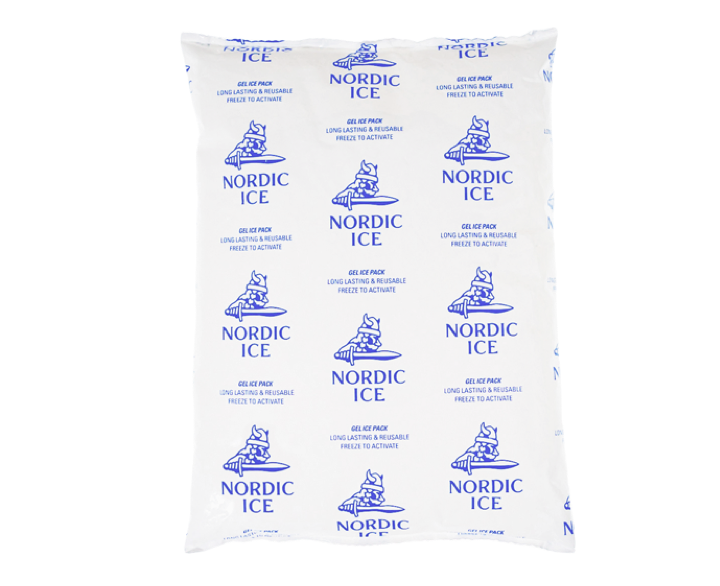
Many trigger point injection medications require packaging that can support refrigerated 2 to 8°C conditions across the expected delivery window. Nordic helps organizations configure insulated shippers and refrigerant systems around actual product and lane requirements.
Nordic Ice® Regular Gel Packs can be used as part of a repeatable refrigerated pack-out when properly conditioned and paired with the right insulation. Pack size, quantity, and placement should be selected based on payload profile, route duration, and ambient exposure. The insulated shipper then provides the thermal barrier needed to slow external heat transfer and help maintain internal stability.
A strong refrigerated packaging approach should support consistent pack-out execution. Staff should know which components to use, how refrigerants should be prepared, where the medication should be placed, and how the package should be sealed. This reduces the risk of subjective decisions that may affect shipment performance.
For injectable medication workflows, pack-out clarity is especially valuable. When medications are tied to clinic schedules, procedure timing, or beyond-use windows, the package must support the broader treatment process. Reliable packaging can help reduce uncertainty for pharmacies and providers while improving confidence at the point of care.
Supporting Compounding and Specialty Pharmacy Operations

Compounding pharmacies and specialty distributors often manage recurring injectable shipments across different clinics, providers, or patient-specific workflows. As volume increases, packaging consistency becomes more important. A single experienced employee may be able to manage a small number of shipments manually, but a broader program needs documented standards.
Nordic helps these organizations create packaging approaches that fit real operating conditions. That may include support for recurring shipments, mixed medication profiles, variable order sizes, seasonal review, and performance-based pack-out planning. The goal is to protect product integrity without overbuilding every shipment or adding unnecessary complexity to pharmacy operations.
A trigger point injection cold chain program should be practical enough for daily fulfillment, but disciplined enough to support quality expectations.
Avoiding Overbuilt and Underbuilt Packaging
One common challenge in medical cold chain planning is finding the right level of protection. Overbuilt packaging can increase cost, storage requirements, and handling complexity. Underbuilt packaging can create avoidable thermal risk. Neither approach is ideal.
Fit-for-purpose packaging is the better standard. The package should reflect the medication’s requirements, the delivery lane, the season, and the receiving workflow. It should also be easy enough for staff to assemble consistently.
This balance is especially important for trigger point injection programs because product requirements vary so widely. A generic refrigerated shipper may not be appropriate for every injectable medication, while the most robust configuration may not be necessary for every lane.
Cold Chain Design as Part of Clinical Readiness
Trigger point injection medications must arrive protected, usable, and ready for clinical workflow. Packaging plays a direct role in that outcome. When the cold chain strategy is aligned with the medication profile and delivery process, pharmacies and clinics can reduce uncertainty and improve confidence from pack-out through administration.
Nordic Cold Chain Solutions helps healthcare organizations build packaging approaches that support refrigerated performance, repeatable execution, and documentation-minded cold chain planning. Whether shipments originate from a compounding pharmacy, specialty pharmacy, outsourcing facility, or centralized distribution point, Nordic can help align packaging with the realities of clinical delivery.
In trigger point injection workflows, the package serves as an active part of the product protection plan, helping preserve medication conditions from fulfillment through clinical use. Contact Nordic Cold Chain Solutions to create fit-for-purpose packaging for injectable medication delivery.