
Trigger point injection programs are not always recognized as a distinct cold chain category, yet the medications used in these workflows often require far more shipping discipline than many clinics initially expect. Pain management practices may work with botulinum toxin products, extended-release corticosteroids, compounded sterile preparations, or buffered local anesthetics, each with different storage conditions, preparation timelines, and in-transit vulnerabilities. That complexity matters. When medications move between pharmacies, outsourcing facilities, specialty distributors, and sites of care, the package becomes part of the protection strategy.
For pain clinics, the issue is not simply whether a shipment arrives cold. It is whether the product arrives within the appropriate temperature range, inside its usable window, and in a condition that supports the clinical schedule it was intended for. A shipment can arrive on time and still create operational risk if the formulation’s storage profile was misunderstood, the receiving site was not prepared for immediate handoff, or the packaging was not designed for the actual transit lane. In trigger point injection workflows, cold chain reliability depends on aligning the medication profile, the shipping environment, and the clinical workflow from the start.
Why Trigger Point Injection Logistics Are More Demanding Than They Appear
On the surface, trigger point injection distribution may look straightforward. The payloads are often small, the destination is a clinic rather than a hospital network, and the shipment may appear simple compared with more complex biologic or specialty pharmaceutical programs. In practice, however, these workflows can be surprisingly demanding because the category includes multiple medication types with very different handling expectations.
A reconstituted botulinum toxin product may need refrigerated storage and a narrow post-preparation use window. An extended-release corticosteroid kit may be labeled for refrigerated storage to preserve expiry while permitting only limited room-temperature fallback conditions in specific circumstances. A compounded sterile injection may be governed by beyond-use dating tied to the preparation method, sterility testing, category assignment, and storage condition. Even buffered local anesthetics can present different stability outcomes depending on the formulation and whether epinephrine is included.
For pain clinics and the pharmacies that supply them, that means there is no universal shipping template. The right packaging strategy must be built around several variables:
- the specific medication and its labeled or assigned storage condition
- the expected transit duration and seasonal exposure
- the receiving clinic’s ability to accept, store, and use the product promptly
- the level of consistency required across recurring shipments
When those factors are accounted for early, packaging becomes more than a transport detail. It becomes a practical safeguard for medication usability, scheduling reliability, and smoother coordination between the shipping team and the receiving clinic.
Product-Specific Storage Requirements Must Drive the Packaging Plan
The most important principle in trigger point injection cold chain planning is that packaging decisions should follow the product, not the therapy category. Pain clinics may manage these medications under one service line, but they do not all behave the same way in transit. Storage requirements, post-preparation windows, and formulation-specific sensitivities can differ in meaningful ways.
Botulinum toxin products often require especially close coordination because post-reconstitution storage expectations can leave little room for delivery delays or handoff issues. Extended-release corticosteroids may offer limited flexibility outside refrigeration under specific conditions, but that should not be mistaken for a fully ambient shipping profile. In both cases, packaging still needs to reflect real transit exposure and the realities of the receiving site.
Compounded sterile preparations add another layer of complexity because shipping conditions need to support the assigned beyond-use strategy rather than sit outside it. For clinics receiving sterile preparations from 503A pharmacies or 503B outsourcing facilities, the shipper, refrigerant, and packout method should all be viewed as part of the broader product protection plan. That is why trigger point injection packaging should be built around the exact medication, the expected lane, and the receiving workflow rather than a one-size-fits-all shipping model.
Stability Risks Often Emerge in Transit and at Handoff

Pain clinics often focus, understandably, on how a medication is stored once it is on site. Yet one of the biggest risk points may occur before the product ever reaches the refrigerator. Transit introduces a set of variables that are easy to underestimate, especially when shipments are compact and the clinical team assumes a short route means low risk.
A small refrigerated payload may be exposed to elevated ambient conditions during parcel handling, held at a sorting facility, delayed on a delivery vehicle, or left waiting for intake at the site of care. Even when the total transit duration is not especially long, exposure during those intervals can matter. Small-format shipments may respond more quickly to outside conditions than larger loads, making insulation performance, refrigerant configuration, and packout consistency especially important.
Some of the most common pressure points include:
- carrier dwell time between handoffs
- late-day delivery windows or failed delivery attempts
- limited clinic staffing at the time of receipt
- delays between delivery acceptance and refrigerated storage
- compact payloads with lower thermal mass
Receiving workflow matters just as much. A clinic may technically receive a shipment on time, but still encounter problems if staff availability, storage access, or scheduling delays interfere with the product’s usable window. In trigger point injection programs, cold chain does not end when the package is delivered. It extends through the handoff and into the receiving process. That is why the shipping strategy must reflect not only the medication and the lane, but also the realities of how the clinic operates once the package arrives.
What Pain Clinics Should Look for in a Cold Chain Packaging Strategy

For pain management providers, an effective cold chain approach should be grounded in repeatability rather than improvisation. The question is not whether a shipment can occasionally stay in range. It is whether the packaging system can support dependable performance across recurring deliveries, changing seasons, and multiple medication profiles without creating confusion for pharmacy teams or clinic staff.
That starts with using insulated packaging matched to the actual transit exposure rather than defaulting to a generic carton. Right-sized shippers can help protect small injectable payloads more effectively while avoiding unnecessary bulk. Refrigerant selection and conditioning also matter. A dependable gel-pack configuration should be chosen based on the required temperature range, expected duration, and payload size, then packed in a repeatable way each time.
A strong packaging strategy should support:
- product-specific temperature protection
- consistent packout across recurring shipments
- practical handling for both sender and receiving clinic
- lane-appropriate thermal performance
- clearer visibility into shipment reliability over time
Pain clinics should also look for packaging programs that support clearer standardization upstream. If the supplying pharmacy or distributor uses documented packout methods, consistent component sets, and shipping logic tied to actual medication profiles, the clinic benefits from greater confidence on receipt. Monitoring may also be valuable in situations where a clinic wants more visibility into lane performance, seasonal variability, or higher-risk delivery conditions.
How Nordic Cold Chain Solutions Supports Trigger Point Injection Distribution
Nordic Cold Chain Solutions helps organizations bring more discipline to refrigerated medication shipping by building packaging strategies around actual transit and workflow conditions. For trigger point injection programs, that means supporting clinics, pharmacies, and healthcare distributors with cold chain packaging that is practical, repeatable, and aligned to the medication’s storage requirements.
Rather than treating all pain-management shipments the same, Nordic helps customers evaluate the factors that actually shape shipment performance. These may include:
- the product’s required temperature range
- delivery duration and seasonal shipping conditions
- the nature of the receiving site and handoff process
- the operational pace and volume of the program
- the need for recurring shipment consistency across teams or locations
From there, Nordic can support insulated packaging configurations paired with properly conditioned refrigerants designed to protect temperature-sensitive injectables during transit.
For programs centered on refrigerated 2 to 8°C distribution, Nordic Ice® gel pack solutions provide a dependable foundation for repeatable packouts. Shipper size, refrigerant quantity, and arrangement can be selected to fit the shipment profile rather than forcing the medication into a one-size-fits-all format. This is particularly valuable for trigger point injection workflows, where payloads are often small but still highly sensitive to handling variation.
Nordic also supports the broader needs of specialty pharmacy, compounding, and clinic-directed distribution programs. Whether a shipment is moving from a pharmacy to a pain clinic, from a 503B facility to a multi-site care network, or through a specialty distribution channel, Nordic helps create a packaging model that is grounded in real operational use. The goal is not to overbuild the shipment. It is to make sure the packaging matches the product, the lane, and the receiving environment with enough consistency to support reliable clinical use.
Where Better Cold Chain Planning Creates Clinical Value
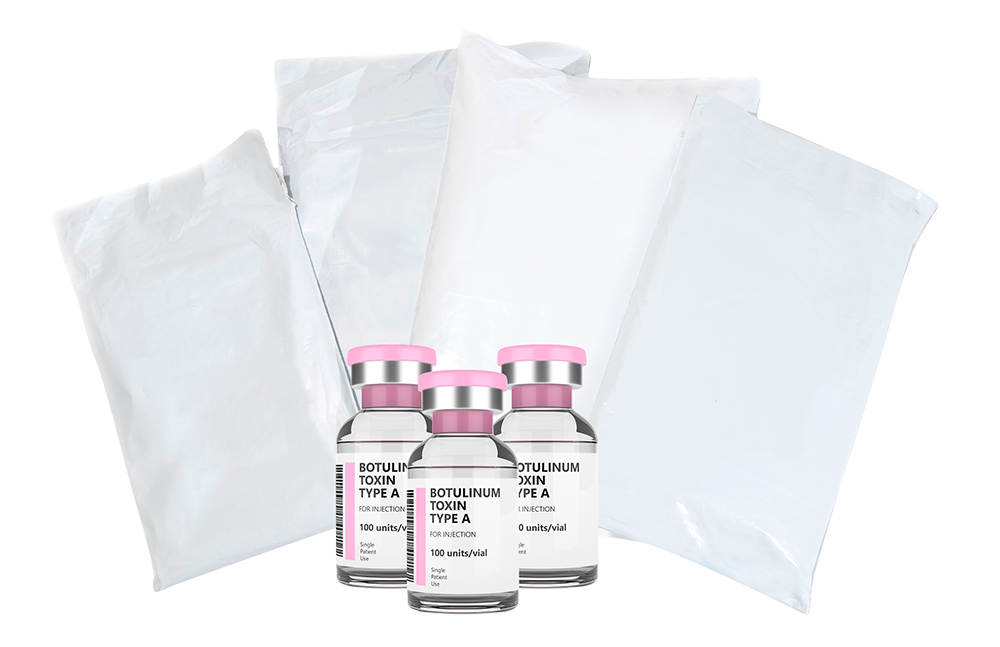
In trigger point injection programs, cold chain planning is not just about transportation. It is part of preserving medication usability, supporting scheduling confidence, and reducing avoidable disruption at the site of care. When the product arrives protected, usable, and aligned with the intended workflow, the clinic is in a far better position to deliver care without unnecessary delay or uncertainty.
Nordic Cold Chain Solutions helps pain clinics, compounding pharmacies, and healthcare distributors build packaging systems that support that outcome. Through insulated shippers, conditioned refrigerant strategies, and practical guidance shaped around actual delivery conditions, Nordic helps customers turn complex temperature-sensitive shipping requirements into a more consistent and manageable process.
To learn how Nordic Cold Chain Solutions can help strengthen your trigger point injection shipping program, contact our team today. Our cold chain specialists can help you evaluate packaging options, improve packout consistency, and build a distribution approach aligned to your medication profiles, transit lanes, and clinical workflow.