
The Growing Sustainability Imperative in Temperature-Controlled Logistics
Temperature-controlled logistics has historically relied heavily on expanded polystyrene (EPS) foam packaging. EPS offers predictable insulation and durability, which made it a long-standing industry standard for pharmaceutical shipments, clinical samples, and perishable goods.
However, EPS also presents well-known environmental challenges. Foam packaging occupies significant landfill space, is difficult to recycle in many regions, and often requires specialized disposal processes. As environmental policies tighten and corporate sustainability goals evolve, organizations are increasingly evaluating alternatives that reduce waste and improve material circularity.

At the same time, demand for cold chain solutions continues to grow. A significant portion of modern pharmaceuticals now require refrigerated transport, particularly biologics and specialty therapies with narrow temperature tolerances. As these products become more common, the volume of temperature-controlled shipments and the packaging associated with them has expanded dramatically.
This convergence of factors has created a clear need for packaging solutions that balance thermal reliability with environmental responsibility.
Cotton-based insulation systems represent one approach to addressing that challenge.
How Cotton Insulated Mailers Support Sustainable Cold Chain Strategies
Cotton insulated mailers and liners are designed to provide thermal protection using recycled cotton fibers as the primary insulating material. These fibers are typically recovered from post-industrial textile waste streams and repurposed into high-density insulation layers that slow heat transfer during transport.
Unlike rigid foam packaging, cotton insulation is flexible and compatible with corrugated shipping boxes or envelope-style mailers. This design allows shippers to achieve effective insulation while reducing material bulk and improving pack-out efficiency.
Several characteristics make cotton insulation particularly appealing for organizations pursuing sustainability initiatives.
Recycled Material Composition
Cotton insulation is typically produced from recycled textile materials, reducing the need for new raw inputs and supporting circular manufacturing practices.
Biodegradable and Compostable Potential
Under appropriate conditions, cotton-based insulation can break down naturally over time. This helps reduce long-term landfill impact compared with conventional foam packaging.
Reduced Packaging Volume
Cotton liners and mailers compress more easily than rigid foam, which can reduce storage requirements and transportation volume across distribution networks.
Compatibility with Existing Refrigerants
Cotton insulation systems can be used with common cold chain refrigerants, including gel packs and phase-change materials. This allows companies to integrate sustainable packaging without redesigning their refrigerant strategy.
When implemented correctly, these characteristics allow organizations to move toward environmentally responsible packaging while maintaining operational efficiency.
When Cotton Mailers Make the Most Sense
Like any cold chain packaging format, cotton insulated mailers are not a universal replacement for all shipping configurations. Their performance depends on factors such as shipment duration, payload size, refrigerant configuration, and external temperature exposure.
In practice, cotton insulation is particularly well suited for several common distribution scenarios.
Short-to-Medium Duration Refrigerated Shipments
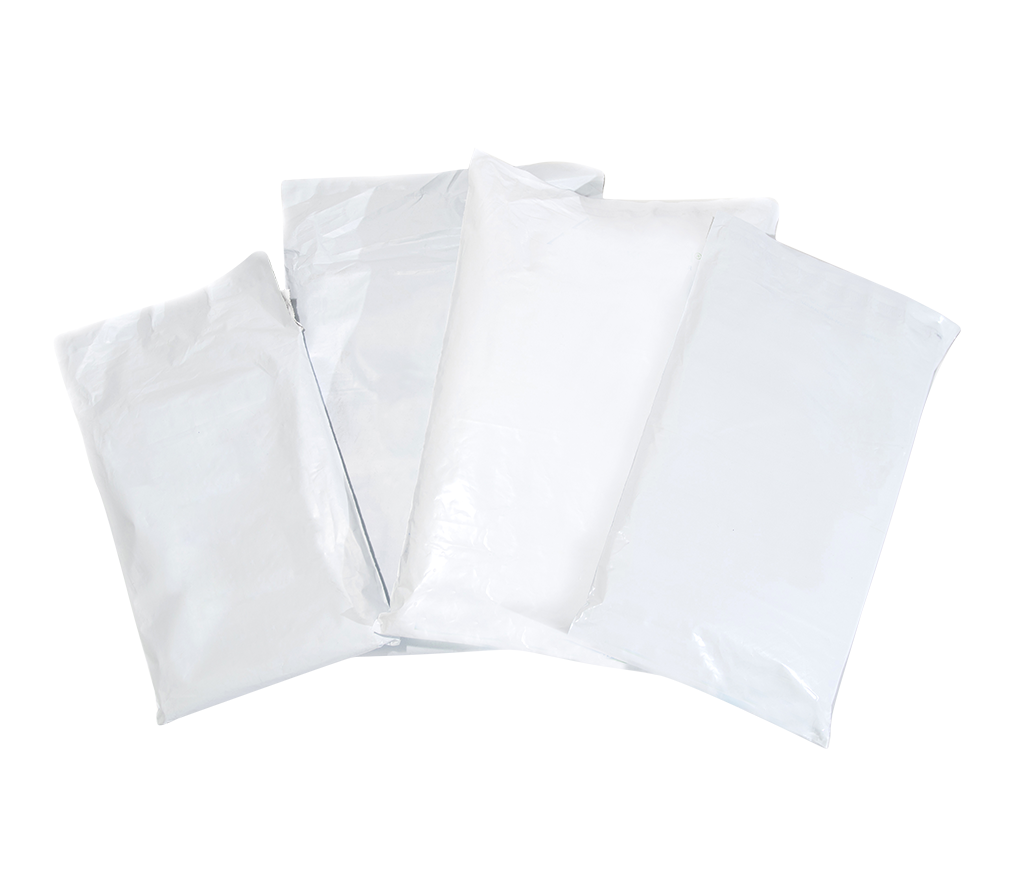 Many pharmaceutical and specialty healthcare shipments fall within transit windows where high-performance insulation is still required but extended-duration packaging is unnecessary. In these cases, cotton insulated mailers can provide dependable thermal protection while significantly reducing packaging waste.
Typical examples include:
- Specialty pharmacy shipments to patients
- Regional distribution of refrigerated pharmaceuticals
- Laboratory specimen transport
- Perishable healthcare products with predictable transit times
Smaller Payloads and Direct-to-Patient Deliveries
Cotton mailers are especially advantageous when shipping smaller payloads. Their flexible design allows them to accommodate compact product configurations while minimizing dimensional weight.
This makes them particularly useful for direct-to-patient pharmaceutical shipments, where package size influences shipping costs and handling efficiency.
Sustainability-Focused Supply Chains
Organizations that have established environmental goals or corporate sustainability commitments often seek measurable ways to reduce packaging waste. Cotton insulation provides a practical pathway toward those objectives while maintaining strong temperature control.
When integrated thoughtfully into packaging strategies, cotton-based insulation can reduce material waste while maintaining compliance with temperature control requirements.
Positioning Cotton Insulation Alongside Traditional Foam Systems
One of the most effective ways to incorporate cotton insulation into cold chain operations is not by replacing all existing packaging. Instead, it can be deployed strategically alongside traditional systems.
Rigid EPS shippers remain valuable for certain applications, particularly when shipments require extended duration protection or must withstand highly variable transport environments. Cotton mailers perform best in situations where efficiency, sustainability, and moderate thermal performance requirements intersect.
Rather than presenting cotton insulation as a universal alternative to foam, many organizations adopt a tiered packaging strategy that aligns packaging formats with shipment risk profiles.
A typical strategy may include:
- Cotton insulated mailers for short-to-medium duration shipments with predictable transit conditions
- Standard insulated shippers for moderate-duration shipments requiring additional thermal buffering
- High-performance insulated systems for long-duration or highly sensitive payloads
This layered approach allows organizations to reduce environmental impact where appropriate while maintaining strong thermal protection for higher-risk shipments.
The Importance of Verification and Thermal Testing
While sustainability is an important consideration, cold chain packaging decisions must always be grounded in proven performance. Introducing new insulation materials without appropriate testing can create hidden vulnerabilities in the supply chain.
Thermal testing ensures that cotton insulated packaging performs as expected under real-world conditions. Design-tested systems evaluate how packaging configurations respond to temperature fluctuations, shipment durations, and refrigerant placement.
Critical verification activities often include:

- Temperature profiling across simulated shipping lanes
- Environmental testing under seasonal climate conditions
- Evaluation of refrigerant configurations and pack-out procedures
- Confirmation of temperature stability throughout expected transit durations
These evaluations confirm that sustainable packaging systems deliver the level of protection required for sensitive pharmaceutical or perishable products.
Testing is particularly important when organizations transition from rigid foam packaging to alternative insulation materials. Differences in airflow dynamics, insulation density, and refrigerant interaction can influence thermal performance.
When sustainable packaging is confirmed through rigorous testing, companies can pursue environmental objectives with confidence.
Operational Advantages Beyond Sustainability
Although cotton insulation is frequently discussed in environmental terms, it also offers practical operational benefits that support cold chain efficiency.
One of the most significant advantages is storage efficiency. Cotton insulation systems typically require less warehouse space than rigid foam containers, allowing distribution centers to store larger quantities of packaging materials without expanding storage infrastructure.
Pack-out efficiency is another benefit. Flexible liner designs often assemble quickly within standard corrugated boxes, reducing labor time and simplifying packing workflows.
In high-volume shipping environments such as specialty pharmacy fulfillment centers, these operational efficiencies can translate into measurable improvements in throughput and cost control.
By combining sustainability benefits with operational advantages, cotton insulated mailers provide a practical solution for many cold chain applications.
Advancing Cold Chain Sustainability Without Compromising Reliability
Sustainability and cold chain performance do not need to exist in opposition. With thoughtful packaging strategies, verified insulation systems, and expert guidance, organizations can reduce environmental impact while continuing to protect temperature-sensitive products.
Cotton insulated mailers represent an important step in that direction. By leveraging recycled materials, reducing packaging waste, and supporting efficient distribution operations, they enable life sciences companies and perishable goods shippers to move toward more sustainable logistics practices.
At the same time, the principles that define reliable cold chain management remain unchanged. These principles include rigorous testing, appropriate packaging selection, and disciplined pack-out procedures.
Nordic Cold Chain Solutions supports life sciences and pharmaceutical supply chains with design-tested packaging systems, sustainable insulation technologies, and expert guidance built on decades of cold chain experience. By aligning sustainability goals with proven cold chain practices, organizations can confidently deliver sensitive products while advancing environmental responsibility.