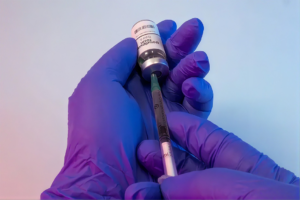
Blood products, tissue materials, diagnostic specimens, and biological samples can move through the cold chain in dramatically different quantities. One program may ship a small number of tubes to a reference laboratory, while another transports insulated cases, clinical materials, collection supplies, or temperature-sensitive inventory on a pallet.
The scale changes, but the central requirement does not: the selected packaging system must preserve the conditions assigned to the material throughout handling, transit, and receipt.
Nordic Cold Chain Solutions provides thermal packaging options ranging from compact parcel systems to EPS and polyurethane pallet shippers. When these products are combined with temperature profiling, environmental testing, data logging, kitting, and engineering services, blood and tissue organizations can build a more consistent cold chain across both specimen-level and bulk distribution workflows.
Blood and Tissue Shipping Is Not One Uniform Application
The phrase “blood and tissue” covers a broad range of materials. Whole blood, plasma, serum, cellular products, tissue specimens, reagents, diagnostic kits, and research samples may each carry different storage and transportation requirements.

Some materials are managed under refrigerated conditions. Others require frozen or deeply frozen handling. Certain samples may have defined stability windows that depend on time as well as temperature. The collection container, preservation medium, test method, and intended use can all influence the acceptable shipping profile.
Packaging should therefore be selected according to the exact material and route, rather than according to the market category alone.
A complete assessment should consider:
- Required temperature range
- Maximum acceptable shipping duration
- Quantity and geometry of the payload
- Sensitivity to freezing or warming
- Leak containment and physical protection
- Origin staging conditions
- Number of carrier handoffs
- Receiving schedules
- Monitoring and documentation requirements
These variables determine whether the shipment is best served by a compact shipper, a molded EPS cooler, a more durable polyurethane configuration, or a palletized system.
Parcel Packaging for Samples and Small Biological Payloads
Individual specimens and smaller biological shipments often travel through parcel networks. These shipments may have limited thermal mass, which means their internal temperature can respond quickly to changing ambient conditions.
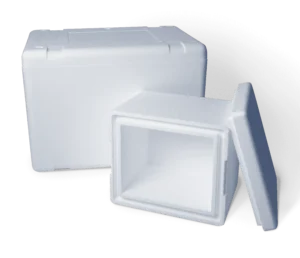
Molded EPS shipping coolers are a practical option for many short-duration parcel applications. Nordic offers standard sizes and custom solutions that can be configured for refrigerated or frozen payloads. The lightweight foam structure provides insulation and helps protect the contents against routine impacts, tearing, or puncture-related damage.
A corrugated outer carton can be added when the shipping environment requires further structural protection or labeling space.
For blood and tissue materials, the internal arrangement is as important as the outer shipper. Specimen containers should remain secured and separated from refrigerants when direct contact could create an unacceptable cold spot. Absorbent materials, secondary containment, dividers, and compliant labeling may also be required depending on the material and mode of transport.

The refrigerant configuration should be selected according to the target temperature range and expected duration. Frozen refrigerants may be appropriate for some shipments, while others require conditioned components designed to reduce freezing risk.
When Distribution Expands Beyond Individual Parcels
Larger blood and tissue programs may need to move multiple specimen kits, collection materials, biological products, reagents, or temperature-sensitive supplies in consolidated quantities. At this scale, parcel packaging may no longer be operationally or economically appropriate.
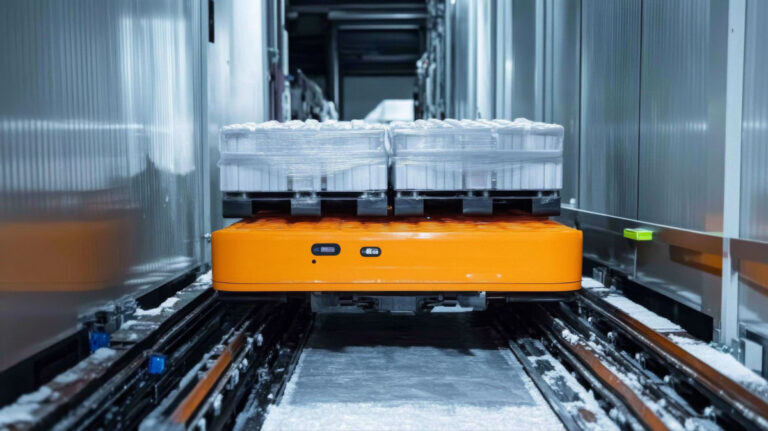
Pallet shippers allow organizations to transport larger payloads within an insulated enclosure. Nordic provides EPS and polyurethane pallet shipper options for refrigerated, chilled, and frozen applications.
Expanded polystyrene pallet systems can provide a lightweight thermal barrier suitable for selected distribution profiles. Polyurethane generally offers stronger insulation performance per unit of thickness and can be relevant when longer duration, greater ambient stress, or reduced internal space loss is a priority.
The correct material depends on the shipment’s performance requirements rather than a universal hierarchy. An EPS pallet shipper may be appropriate for a controlled, shorter-duration lane, while a polyurethane configuration may be better suited to a more demanding route or higher-value payload.
Pallet Configuration Requires Engineering Discipline
A pallet shipper is not simply a larger version of a parcel cooler. Scaling the internal volume changes the thermal behavior of the system.
The payload’s mass, position, airflow pathways, refrigerant arrangement, and empty space all influence performance. A fully loaded shipper may respond differently from a partially loaded one. Product near an exterior wall may experience a different temperature history than material positioned at the center.
A technical pallet design should define:
- Minimum and maximum payload
- Pallet footprint and usable internal volume
- Refrigerant type, quantity, and placement
- Product orientation
- Internal dunnage or dividers
- Loading sequence
- Preconditioning requirements
- Closure and palletization methods
- Expected route duration
- Seasonal configurations
Sensors should be placed at locations most likely to reveal thermal variation, rather than only in the geometric center.
Nordic’s lab services can evaluate the package under simulated environmental profiles to determine how the system behaves across the intended duration.
Monitoring Strengthens Chain-of-Custody Decisions
Temperature and data loggers can provide visibility into what occurred during transit. For blood and tissue organizations, this information may be important for assessing shipment condition, investigating delays, or documenting distribution performance.
A logger does not protect the payload by itself. Its value comes from pairing recorded data with predefined review criteria.
Teams should establish:
- Where the logger is placed
- When it is started
- Which temperature limits apply
- How excursions are reviewed
- Who has authority to release or reject the shipment
- How data are stored and connected to the shipment record
For palletized shipments, multiple sensors may be appropriate when the payload is large enough to create meaningful temperature differences across the enclosure.
Monitoring data can also inform future packaging improvements. If repeated shipments show that one lane regularly approaches a limit, the organization can evaluate additional refrigerant, an alternate insulation system, a different service level, or seasonal pack-out changes.
Receiving Conditions Are Part of the Design
Blood and tissue materials may arrive at hospitals, laboratories, processing facilities, research centers, collection sites, or centralized repositories. Each destination can have different receiving hours and storage capabilities.
A technically appropriate shipper can still encounter risk if it arrives after the receiving department closes or sits at a general loading dock before transfer. For pallet shipments, access to appropriate unloading equipment and temperature-controlled staging space may also affect the handoff.
Packaging plans should therefore define the expected receiving workflow, including:
- Delivery appointment requirements
- Responsible personnel
- Inspection procedures
- Logger retrieval
- Transfer into controlled storage
- Disposition steps when delays or damage occur
This is particularly important for time-sensitive materials whose acceptable use window continues to decrease during distribution.
Standardized Kitting Improves Network Consistency
Blood and tissue networks may operate across multiple collection sites or regional facilities. Without standardized components, each location may assemble shipments differently.
Kitted packaging can help distribute a consistent set of shippers, refrigerants, dividers, labels, and instructions to each origin site. This reduces local sourcing variation and makes training more straightforward.
Conditioning services can further improve consistency by preparing refrigerants according to the intended pack-out requirements. When combined with documented assembly procedures, these services can create a more controlled process across geographically dispersed operations.
One Cold Chain Strategy Across Multiple Scales
Blood and tissue logistics should not be divided into disconnected parcel and pallet programs. Both should be governed by the same technical principles: product-specific temperature control, route-aware packaging, repeatable assembly, environmental evaluation, monitoring, and disciplined receiving.
Nordic Cold Chain Solutions helps organizations apply those principles across compact EPS shippers, custom configurations, refrigerated and frozen pack-outs, and larger EPS or polyurethane pallet systems.
This scalable approach allows the packaging format to change as shipment volume grows without abandoning the performance logic behind the cold chain.