
Long-term care pharmacies operate within a delivery model that is unlike traditional parcel pharmacy fulfillment. Rather than shipping isolated packages to individual homes or clinics, LTC pharmacies serve networks of nursing homes, assisted living facilities, rehabilitation centers, and care communities through scheduled route delivery. These routes may include dozens of stops, recurring weekly medication volumes, and small refrigerated drops that must remain controlled from pharmacy pack-out through final facility handoff.
As the medication mix continues to evolve, route-based cold chain has become more important. Insulin, GLP-1 therapies, refrigerated injectables, specialty medications, and other temperature-sensitive products are increasingly part of routine long-term care delivery. That creates a practical challenge for pharmacy teams. Packaging must maintain refrigerated performance, typically within 2 to 8°C, while remaining efficient enough for high-stop, recurring delivery workflows.
Unlike a single outbound parcel shipment, an LTC route is a moving environment. The package may be handled by pharmacy staff, drivers, front desk personnel, nurses, medication room teams, or facility coordinators before it reaches controlled storage. Each transfer creates an opportunity for delay, confusion, or unnecessary exposure. For that reason, LTC cold chain planning must account for both thermal performance and operational execution.
Nordic Cold Chain Solutions supports LTC pharmacies with packaging configurations designed for route stability, driver-friendly handling, small-batch delivery, and repeatable use across pharmacy teams.
Why LTC Delivery Creates a Distinct Cold Chain Challenge

A long-term care pharmacy route behaves differently from a single parcel shipment. A driver may leave the pharmacy with multiple medication totes, travel across a broad service area, make repeated stops, and interact with different receiving teams throughout the day. Some facilities may accept deliveries immediately. Others may have delays at the front desk, nursing station, medication room, or pharmacy area.
The package must be designed for that reality. Temperature-sensitive medications may be exposed to vehicle conditions, facility entrances, repeated handling, and varied receiving practices. In many cases, the delivery includes only a small refrigerated quantity for each stop. That makes right-sized packaging essential because overpacking adds cost and complexity, while underpacking can increase risk.
The cold chain profile of an LTC route is shaped by several conditions:
- Route duration may extend across 8 to 12 hours or more.
- Stop counts may range from a few facilities to 30 or more.
- Refrigerated drops may include only a few pens, vials, or injectables.
- Drivers need clear, simple handling steps.
- Facility receiving practices may vary by location.
- Seasonal conditions can affect vehicle interiors, sidewalks, loading areas, and handoff points.
- Delivery timing may not always align with immediate refrigeration access.
These realities make LTC cold chain packaging as much an operational issue as a thermal one. A package that performs well in a controlled test environment still needs to be practical for the pharmacy staff packing it, the driver transporting it, and the receiving team transferring it into storage.
The Importance of Right-Sized Packaging for Small Drops
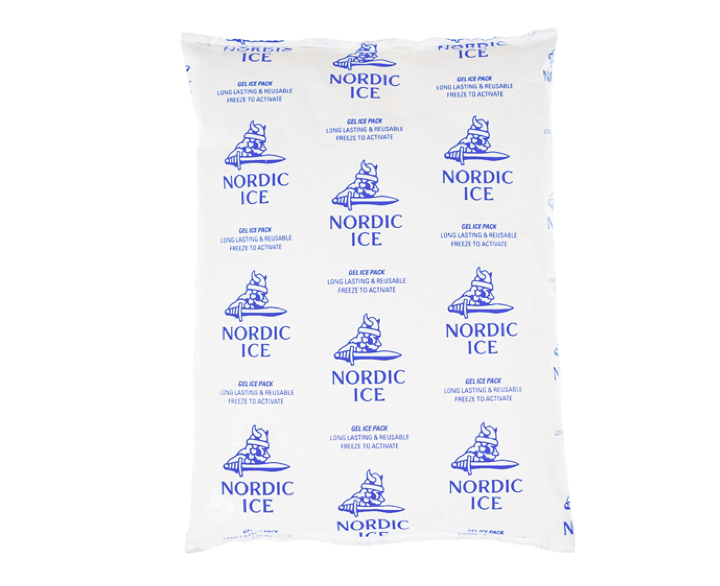
Many LTC pharmacies manage refrigerated products within larger medication delivery workflows. A single stop may require a small quantity of refrigerated medication alongside standard medication orders. In this environment, oversized packaging can create unnecessary waste, storage challenges, and handling friction. At the same time, minimal packaging may not provide enough thermal protection for longer routes or warmer conditions.
Right-sized refrigerated packaging helps balance performance and practicality. It allows pharmacy teams to protect small payloads without making route delivery cumbersome. The package should be easy to identify, simple to handle, and compatible with existing workflows whenever possible.
For pharmacies using tote-based systems, packaging integration becomes especially important. Cold chain materials must fit within or alongside established totes without confusing drivers or receiving staff. If refrigerated items are difficult to locate, separate, or transfer into storage, the risk moves from the package itself to the handoff process.
Packaging should also support consistency from one shift to the next. A small refrigerated drop should not require staff to improvise with different materials, guess at refrigerant quantities, or decide how much insulation is “enough” based on habit. Clear component selection, defined pack-out steps, and familiar formats can help reduce variability without slowing fulfillment.
Nordic helps LTC pharmacies evaluate packaging formats that align with route structures, facility drop sizes, and recurring delivery cadence. The objective is to protect product integrity while preserving the efficiency that long-term care delivery requires.
Route Complexity Should Guide Packaging Selection

Not every LTC route needs the same cold chain configuration. A short local route with limited stops may not require the same packaging approach as a long-duration regional route with repeated handling and variable weather exposure. Treating every route the same can either overburden the operation or leave higher-risk deliveries underprotected.
A practical packaging strategy should account for route complexity:
Local routes may be suited to small-format refrigerated packaging when delivery windows are shorter, and stop counts are manageable.
Regional routes may require standardized shippers, defined refrigerant conditioning, and stronger seasonal planning due to extended time in transit and broader geographic coverage.
High-stop routes may benefit from more robust configurations when repeated handling, route length, and multiple facility handoffs increase exposure risk.
This tiered approach allows pharmacies to use packaging intelligently. The goal is not to build every route for the worst possible scenario. It is to match packaging performance to the actual risk profile of the route.
A route assessment can also help pharmacies identify where packaging alone may not solve the issue. Some risks may be tied to driver workflow, route sequencing, tote organization, facility receiving practices, or the amount of time refrigerated items spend outside controlled storage after arrival. When packaging strategy is aligned with these operational details, the cold chain becomes more dependable.
Where LTC Cold Chain Programs Lose Consistency
LTC delivery programs are repetitive, which can be an advantage when processes are well defined. However, repetition can also magnify small inconsistencies. A pack-out assembled slightly differently each day may create uneven performance over time. A driver who reorganizes refrigerated items for convenience may unintentionally increase exposure. A facility that delays refrigeration after receipt may create risk after the package has performed as intended.
Many breakdowns occur because responsibilities are spread across different people and environments. Pharmacy staff pack the order, drivers transport it, and facility staff receive it. Cold chain continuity depends on each step being clear enough to execute consistently.
This is why packaging instructions and workflow alignment matter. A good packaging system should not require interpretation. It should support repeatable pack-out, straightforward driver handling, and clear facility handoff.
Optional temperature monitoring can provide additional confirmation, particularly for longer routes, new delivery lanes, seasonal stress periods, or medication categories with tighter handling expectations. Monitoring can help teams understand whether a route is performing as expected or whether packaging, process, or handoff practices need to be adjusted.
GLP-1 Growth Is Changing LTC Pharmacy Requirements
The rise of GLP-1 therapies is adding pressure to pharmacy cold chain programs across multiple care environments, including long-term care. As these medications become more common in chronic disease management, LTC pharmacies may see greater volumes of refrigerated prescriptions moving through existing route networks.
This shift can expose limitations in packaging systems originally built for smaller refrigerated volumes. Pharmacies may need to revisit assumptions around route duration, stop count, medication quantity, and seasonal performance. They may also need to improve documentation and standardization as temperature-sensitive therapies become a larger share of recurring delivery.
GLP-1 medications also create a packaging challenge because they frequently move in compact payloads. Pens, injectables, and patient-specific quantities may not require large shipper formats, but they still require disciplined temperature control. As volumes grow, pharmacy teams need solutions that protect small shipments without creating unnecessary bulk.
Nordic’s GLP-1 Express Pack™ was developed to address the need for standardized refrigerated packaging in GLP-1 distribution. For LTC pharmacies, this kind of purpose-built thinking is especially relevant because the operational goal is not only to ship one medication successfully. It is to repeat that success across many facilities, routes, and delivery days.
Building a More Reliable LTC Cold Chain
A strong LTC pharmacy cold chain strategy must protect medications while fitting the operational rhythm of route delivery. Packaging should be selected based on route duration, stop count, payload size, handling expectations, and receiving practices. It should also be practical enough for daily use by pharmacy staff and drivers.
Nordic Cold Chain Solutions helps LTC pharmacies standardize refrigerated packaging across recurring routes, small-batch facility drops, and growing temperature-sensitive medication volumes. By aligning packaging performance with route reality, pharmacies can reduce variability, support compliance-minded workflows, and improve confidence in every delivery cycle.
In long-term care pharmacy, the cold chain does not end when a package leaves the pharmacy. It must hold through every mile, every stop, and every handoff. Get in touch with Nordic Cold Chain Solutions to build route-ready refrigerated packaging for long-term care pharmacy delivery.