
The Demands of Modern Biological Transport
Biologic products used in cellular therapy and transplantation require precise temperature control throughout the entire transport cycle. Frozen tissues demand long-duration thermal stability. Refrigerated blood components must avoid temperature oscillation. Cell-based therapies require protective packaging that can withstand extended handling, variable climate conditions, and transitions between storage environments.
These requirements often unfold within unpredictable transportation pathways. Cargo loading zones, courier transfers, and hospital receiving areas expose shipments to mechanical and thermal stress. Maintaining product integrity requires packaging built for both temperature performance and structural resilience. It also requires evidence that the system performs consistently under real-world conditions.
Polyurethane Shippers Built for Blood, Tissue, and Cellular Materials
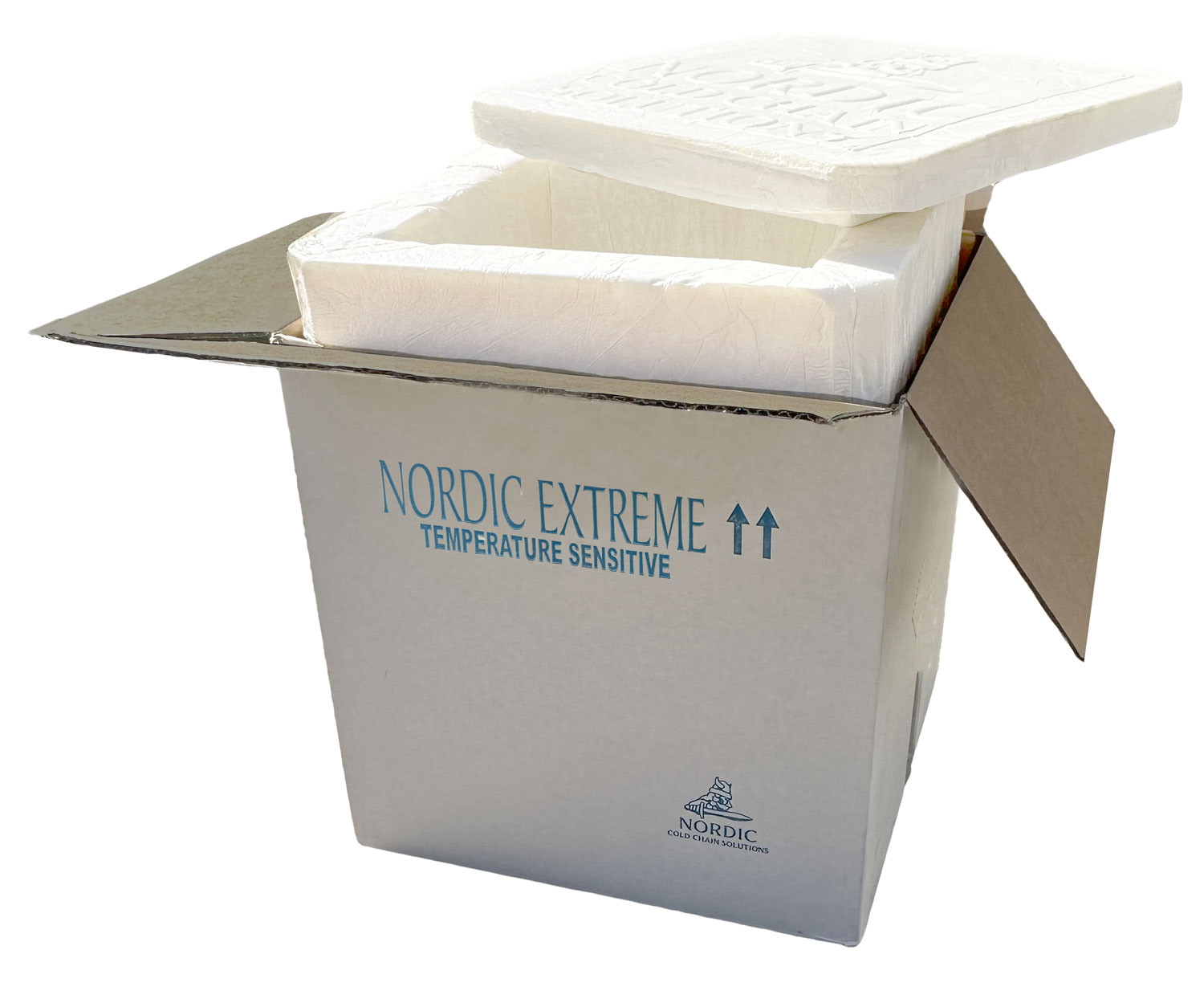 Polyurethane insulation provides one of the highest levels of thermal resistance available among passive cold chain materials. Its dense closed-cell structure limits heat transfer and helps maintain stable internal temperatures over multi-day frozen or refrigerated routes. Nordic’s polyurethane frozen shippers are engineered to support long-duration biological transport with insulation that retains its performance across extreme climates and varied operational environments.
The design incorporates a two-part construction. The inner chamber is an expanded polyurethane container that creates a stable thermal environment for frozen or refrigerated payloads. Surrounding it is a durable corrugated shell that absorbs impact, prevents compression, and reduces mechanical stress during courier handling or warehouse processing.
This dual-component design creates a strong balance between temperature control and physical protection. Frozen grafts, blood components, and cell therapies remain insulated during environmental shifts while being shielded from vibration and pressure during transport. These features reduce the likelihood of temperature drift or mechanical compromise, two of the primary risks associated with biological shipment failure.
Why Polyurethane Excels for High-Risk Biologics
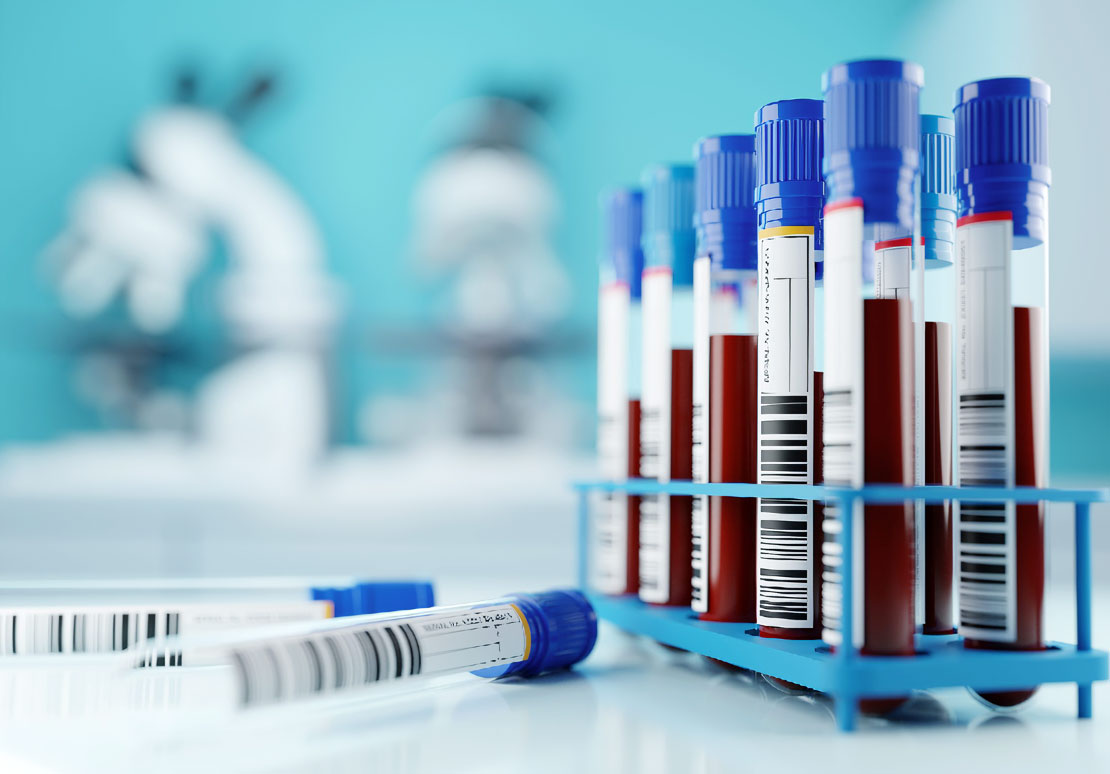
Blood, tissue, and cell-based therapies are profoundly affected by temperature instability. Cryopreserved allografts can lose viability when exposed to partial thaw. Plasma proteins degrade during repeated temperature cycling. Cellular therapies experience metabolic shifts that directly impact therapeutic effectiveness.
 Polyurethane’s high R-value significantly slows heat transfer, allowing shippers to preserve frozen or near-frozen temperatures over extended timelines. This performance remains consistent across diverse humidity levels, rapid climate transitions, and seasonal extremes. As a result, transplant centers and cell therapy laboratories gain a dependable system that supports long-distance or multi-day routing without excessive refrigerant mass.
Northern winter routes, hot summer corridors, and climates with rapid temperature shifts often expose shipments to unavoidable environmental variation. Polyurethane provides thermal stability across these conditions, enabling organizations to maintain compliance with regulated thermal profiles even when logistics are unpredictable.
Strength and Stability During Handling and Transit
Reliable transport for biologics requires more than thermal protection. It also requires packaging that withstands the physical stress of multi-stage distribution. Nordic’s corrugated outer shell is designed to reinforce the polyurethane chamber during repeated handling cycles. It guards against vibration, stacking pressure, impact, and rough movement during transit.
This stability becomes essential during longer transport windows. Shipments may rest on loading docks, endure courier sorting procedures, or travel through multiple storage temperatures. The mechanical strength of Nordic’s polyurethane systems helps ensure that insulation remains structurally intact. By maintaining the geometry of the inner chamber, the shipper protects its own thermal performance and prevents refrigerant displacement.
Validation That Supports Clinical and Regulatory Requirements
Organizations that transport blood and tissue products must provide clear evidence that their packaging maintains required temperatures under validated conditions. Nordic’s PUR shippers undergo testing aligned with ISTA 7E standards, which evaluate both thermal performance and mechanical durability under simulated real-world conditions. These tests demonstrate the shipper’s ability to maintain frozen or refrigerated temperatures over multi-day durations.
Although polyurethane shippers inherently provide strong insulation, the performance of any cold chain system depends on refrigerant behavior and internal configuration. Nordic’s laboratory services complement shipper design with targeted evaluations that strengthen operational reliability. These services include:
- Temperature Mapping
Multi-point sensor mapping identifies temperature uniformity within the shipper and validates stability across potential thermal gradients. - Environmental Stress Simulation
Controlled environmental cycles replicate heat spikes, cold exposure, humidity shifts, and prolonged warehouse dwell. These simulations demonstrate how the shipper performs during actual transport stressors. - Gel Pack Profiling
Gel pack and refrigerant profiling establishes correct conditioning temperatures, placement patterns, and refrigerant quantities for consistent performance. - Qualification Documentation
Test data, temperature curves, environmental results, and configuration recommendations are compiled into documentation that supports audits, accreditation, and internal quality programs.
These lab-driven insights ensure that polyurethane shippers not only perform well in controlled testing environments but also deliver predictable thermal stability during real biological transport events.
Integration Across Regenerative Medicine and Transplant Workflows
Nordic’s polyurethane shippers support a wide spectrum of biological transport scenarios. Tissue banks rely on them for frozen graft distribution. Cellular therapy labs use them to preserve viability during transit between processing centers and clinical infusion sites. Blood centers incorporate them into regional transport networks for temperature-sensitive components.
Because polyurethane insulation provides extended frozen duration with moderate refrigerant mass, organizations improve logistical flexibility without the burden of excessive weight or complex conditioning procedures. This advantage becomes particularly important in expanded donor networks, national transplant programs, and regenerative medicine workflows that span large geographic regions.
Strengthening Biological Transport Through Proven Thermal Performance
The success of blood, tissue, and cellular therapy logistics relies on cold chain systems that deliver stable performance, mechanical resilience, and validated reliability. Nordic’s polyurethane frozen shippers offer a dependable solution for organizations responsible for high-risk biologics. Their advanced insulation and reinforced construction provide consistent protection throughout long-duration transport, while laboratory-driven validation enhances confidence in the system’s behavior under both expected and adverse conditions.