Longevity medicine is creating new demands for pharmaceutical distribution as clinics, concierge practices, and compounding pharmacies expand personalized treatment programs. From refrigerated injectables to multi-component therapy kits, these programs depend on reliable delivery systems that preserve medication quality throughout the shipping process.
Direct-to-patient (DTP) distribution adds another layer of complexity. Shipments may encounter fluctuating outdoor temperatures, extended carrier dwell times, and unpredictable residential delivery conditions. For temperature-sensitive therapies, these variables can affect product stability before the medication reaches its intended recipient.
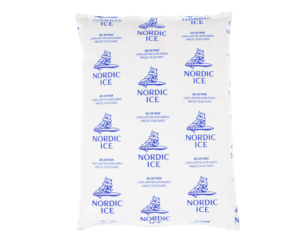
A carefully designed cold chain packaging system helps address these challenges. Nordic Ice® Regular Gel Packs provide a flexible refrigerant option for pharmaceutical shipments, allowing distributors to develop compact packaging configurations that support consistent cooling performance and repeatable pack-out procedures.
Understanding the Temperature Requirements of Longevity Therapies
Longevity treatment programs may involve several pharmaceutical products with different storage and transportation requirements. These can include prescription medications, compounded injectables, biologic materials, and other temperature-sensitive formulations.
Determining the correct shipping conditions begins with understanding the requirements of each product rather than assigning a universal temperature profile to an entire treatment category.
Common distribution considerations include:
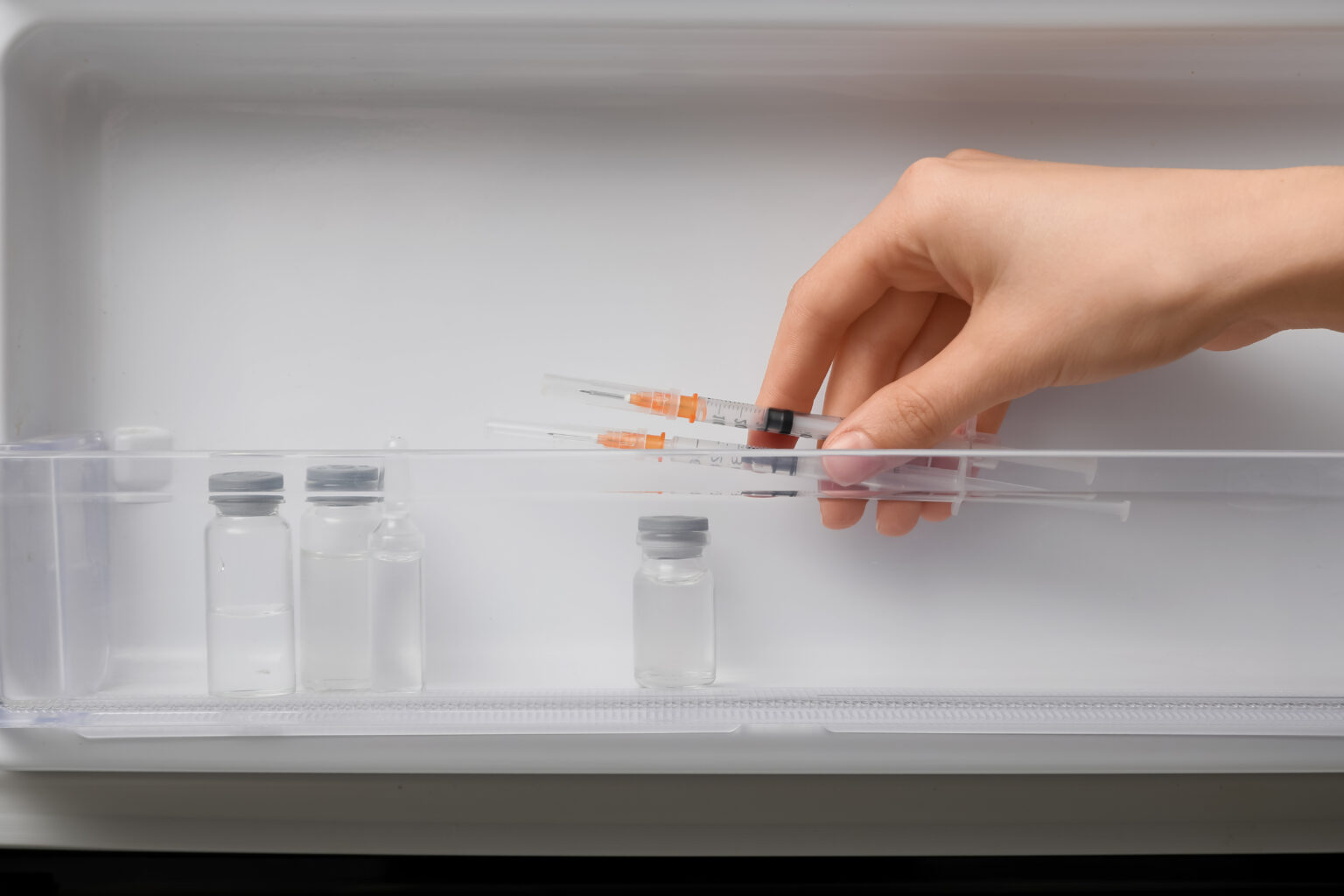
- Refrigerated therapies (2°C to 8°C): Certain injectable medications and compounded formulations require controlled refrigeration to maintain their specified storage conditions.
- Frozen biological materials: Some specialized biologic preparations require frozen transport, with temperature thresholds determined by their formulation and handling specifications.
- Controlled room temperature products: Certain oral medications, supplements, and lyophilized formulations may have less restrictive cooling requirements but still need protection against excessive environmental temperatures.
Storage requirements for products such as semaglutide, tirzepatide, growth hormone formulations, and compounded peptide therapies can vary by manufacturer, formulation, and preparation method. Clinics and pharmacies should establish shipping specifications using applicable labeling, stability information, and pharmacy documentation.
For programs distributing multiple treatments together, these distinctions directly influence packaging selection and refrigerant placement.
The Role of Gel Packs in Pharmaceutical Cold Chain Packaging
Gel packs are widely used as refrigerants in temperature-controlled packaging because they provide a practical means of absorbing heat during transportation.
As a conditioned gel pack warms, it absorbs thermal energy from its surroundings. When combined with appropriate insulation and pack-out design, this process helps moderate temperature changes within the shipping container.
The resulting performance depends on several factors, including refrigerant mass, starting temperature, insulation characteristics, payload size, and environmental exposure.
Nordic Ice® Regular Gel Packs are manufactured with long-lasting polymer gel and durable exterior packaging designed to withstand transportation and handling. Their reusable construction and range of available sizes make them adaptable to different pharmaceutical distribution applications.
For longevity clinics and pharmacy partners, these characteristics offer several operational advantages:
- Flexible refrigerant sizing: Multiple gel pack dimensions allow teams to match refrigerant quantities to payload and packaging requirements.
- Compact configurations: Smaller formats can accommodate limited-space mailers and pharmaceutical shipments containing individual vials or therapy kits.
- Repeatable assembly: Standardized refrigerant components make documented pack-out instructions easier to implement across shipping personnel.
- Reusable construction: Durable gel packs may support repeated use when appropriate handling, inspection, and reconditioning procedures are established.
Gel packs alone do not establish a qualified refrigerated shipping system. Appropriate configurations must be evaluated to ensure the complete package maintains the product’s required temperature range without exposing sensitive materials to unintended freezing.
Matching Refrigerant Size to Shipment Requirements
Selecting the right gel pack configuration requires careful consideration of the relationship between refrigerant capacity, available packaging space, and expected shipping conditions.
An undersized refrigerant arrangement may provide insufficient cooling during extended transit. Excessive refrigerant mass or direct contact with a highly chilled gel pack can create localized cold spots that may affect freeze-sensitive medications.
Nordic Ice® Regular Gel Packs are available in sizes ranging from 3 ounces to 48 ounces, providing flexibility for different shipment volumes and thermal requirements.
Smaller gel packs can be useful in compact packaging applications where space is limited and refrigerant placement must be carefully controlled. Larger formats may be considered for shipments requiring greater refrigerant capacity, provided the full configuration has been assessed against the intended temperature profile.

The selection process should account for:
- Payload characteristics: Medication volume, packaging dimensions, thermal mass, and sensitivity to freezing.
- Transit duration: Expected carrier delivery times and potential delays that extend exposure.
- Ambient temperature profiles: Seasonal conditions and temperature extremes along the distribution route.
- Insulation performance: The thermal properties of the selected mailer or shipper.
- Refrigerant conditioning: The initial temperature and preparation procedures required for consistent performance.
These variables should be assessed together through appropriate thermal testing. A configuration suited to a short regional delivery may require modification before being deployed across longer or more demanding parcel routes.
Managing Mixed-Temperature Longevity Kits
Personalized longevity programs frequently involve multiple products assembled into a single patient order. A shipment might contain refrigerated injectables alongside room-temperature supplements or other protocol components.
This introduces packaging considerations beyond total cooling capacity.
Products with different temperature requirements may need separate compartments, protective barriers, or independent packaging systems to prevent inappropriate exposure.
For example, placing a controlled room temperature product directly beside a frozen gel pack could subject that product to temperatures outside its specified range. Likewise, frozen biologic materials cannot automatically be transported using packaging qualified only for refrigerated distribution.
A structured mixed-temperature shipping strategy should include:
- Product-specific temperature classifications before kit assembly.
- Defined separation between incompatible temperature tiers.
- Refrigerant placement that accounts for direct-contact freezing risks.
- Packaging configurations assessed for the complete payload.
- Clear labeling and receiving instructions for each therapy component.
When incompatible products cannot be adequately protected within one validated configuration, separate shipments may be necessary.
For growing longevity programs, establishing these decisions during packaging development helps prevent inconsistent handling as treatment offerings expand.
Building Consistent Pack-Out Procedures Across Shipping Teams

As shipment volumes increase, operational variation becomes an important cold chain risk.
A clinic preparing a handful of weekly orders may rely on experienced staff who understand individual product requirements. When the same operation expands across multiple locations or pharmacy partners, undocumented practices can lead to differences in gel pack conditioning, placement, and packaging assembly.
Standard operating procedures (SOPs) provide a framework for maintaining consistency across these activities.
Effective pack-out instructions should specify the approved shipper, refrigerant size and quantity, conditioning method, component arrangement, and allowable staging time before carrier pickup.
Visual diagrams and premeasured packaging components can further simplify preparation, particularly for employees handling multiple medication protocols.
Nordic Ice® Regular Gel Packs support this approach through standardized product sizes that can be incorporated into defined packaging configurations.
Maintaining consistent refrigerant components helps clinics establish more predictable assembly procedures while reducing the potential for staff to substitute unapproved materials.
Preparing for Seasonal and Last-Mile Shipping Conditions
Residential pharmaceutical delivery introduces environmental conditions that may differ considerably from commercial healthcare distribution.
Packages can spend extended periods in delivery vehicles, sorting facilities, or outdoor receiving locations. During summer, elevated ambient temperatures increase thermal stress on refrigerated shipments. Winter conditions present a different concern: products sensitive to freezing may encounter temperatures below their acceptable limits.
Cold chain planning should therefore incorporate both warm-weather and cold-weather exposure profiles.
For routine DTP shipping, organizations should evaluate packaging performance against the delivery lanes they actually serve. This may involve reviewing carrier transit data, identifying recurring delivery delays, and conducting thermal testing under representative seasonal conditions.
Temperature monitoring can provide additional information about shipment performance and support investigation when excursions occur.
Monitoring procedures should define who reviews shipment data, how deviations are assessed, and what actions are required when a temperature limit is exceeded.
These measures help clinics and pharmacies maintain better visibility into distribution performance while identifying opportunities to refine their packaging systems.
Supporting Scalable Longevity Medication Distribution
As longevity medicine programs expand, packaging decisions increasingly affect fulfillment efficiency, inventory management, and the consistency of patient deliveries.
Standardized small-format packaging can simplify refrigerant storage, reduce uncertainty during order preparation, and create more predictable material requirements across recurring shipments.
Nordic Cold Chain Solutions supports these operations through refrigerant products and packaging expertise suited to temperature-sensitive pharmaceutical distribution.
With multiple available sizes, durable construction, and adaptable configurations, Nordic Ice® Regular Gel Packs can serve as components within packaging systems developed for specific longevity medication requirements.
Successful implementation still depends on aligning refrigerant selection with product stability specifications, distribution conditions, and repeatable operating procedures.
For longevity clinics and compounding pharmacies managing growing DTP volumes, a well-defined packaging strategy provides a foundation for consistent execution as patient populations and delivery networks expand.
Strengthen Your Longevity Medication Shipping Strategy
Reliable distribution begins with a clear understanding of medication requirements and the conditions shipments will encounter between fulfillment and delivery.
Nordic Cold Chain Solutions can help longevity clinics, compounding pharmacies, and pharmaceutical distributors evaluate gel pack configurations and small-format packaging options that align with their temperature-control needs.
Request a Packaging Assessment
Connect with Nordic’s cold chain experts to discuss your payload specifications, transit requirements, and current pack-out procedures. Develop a more consistent approach to protecting temperature-sensitive longevity therapies throughout direct-to-patient distribution.